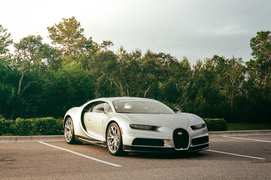
The End of the Gray Car: Why Vibrant Colors Are Making a Comeback in 2026
For years, the automotive landscape has been dominated by a sea of neutral hues. White, black, silver, and gray have become the go-to choices for new car buyers, accounting for nearly 80 percent of the market share. But as the auto industry continues to evolve, a shift is underway. Brightly colored cars are poised for a comeback, signaling a change in consumer preferences and a move away from the safe, predictable choices of the past.
Why the Shift?
The rise of colorful cars is not a sudden phenomenon. It’s a gradual evolution driven by a number of factors, including changing consumer trends and advancements in automotive technology. According to Misty Yeomans, automotive color and styling manager for paint giant PPG, the demand for more dynamic colorways is increasing. “Trend data clearly shows the palette evolving rather than stagnating,” she says. This is a significant reversal of 21st-century trends, an era in which the automotive palette has become half as colorful as it was just two decades ago.
One of the key drivers behind this shift is a renewed interest in the natural world. Green, in particular, has become the most popular color in the automotive industry, a trend that is likely to continue in the coming years. “Green signals individuality and a nature-linked aesthetic,” says Gloria Jover, automotive expert for the New Jersey-based Pantone Color Institute.
Another factor driving the rise of colorful cars is the growing popularity of electric vehicles. As the EV market continues to expand, so too does the demand for more vibrant and dynamic colorways. “Electrified vehicles are now leading a lot of the color trends,” says Honda’s Gypsy Modina.
New Finishes for the Next Generation of Vehicles
As consumer preferences continue to evolve, so too do the finishes used in automotive manufacturing. Matte ethereal silvers are on the rise among electric cars, as they reflect core electrification values such as efficiency, minimalism, and advanced mobility. “Triple Nickel\” on Dodge’s Charger EV, or \”Silver Zynith\” on Jeep’s Wagoneer S EV, epitomize this trend. And an upsurge in pearl-infused whites references EV hallmarks such as luminosity, depth, and expressing innovation and precision. Those were seen on Honda’s radical (and recently cancelled) 0-Series concept vehicles.
The Impact on Car Buyers
For consumers, the shift toward more vibrant car colors means more options and greater individuality. As the auto industry continues to innovate, we can expect to see an even wider range of colors and finishes in the coming years. Whether you prefer bold and bright, or subtle and sophisticated, there’s a car color out there for you.
As the automotive industry continues to evolve, so too does the demand for more vibrant and dynamic colorways. With advancements in automotive technology and a growing interest in the natural world, colorful cars are poised for a comeback. “Trend data clearly shows the palette evolving rather than stagnating,\” says Misty Yeomans, automotive color and styling manager for paint giant PPG. This is a significant reversal of 21st-century trends, an era in which the automotive palette has become half as colorful as it was just two decades ago.
One of the key drivers behind this shift is a renewed interest in the natural world. Green, in particular, has become the most popular color in the automotive industry, a trend that is likely to continue in the coming years. \”Green signals individuality and a nature-linked aesthetic,\\\” says Gloria Jover, automotive expert for the New Jersey-based Pantone Color Institute.
Another factor driving the rise of colorful cars is the growing popularity of electric vehicles. As the EV market continues to expand, so too does the demand for more vibrant and dynamic colorways. \”Electrified vehicles are now leading a lot of the color trends,\\\” says Honda’s Gypsy Modina. \”Smoked neutrals—subtly tinted brownish or greenish greys infused with delicate chromatic undertones—are gaining traction\\\” in EVs, says Pantone’s Jover, noting that these colors allude to moods typically associated with quiet luxury. One example is the olive used to launch Jeep’s upcoming Recon electric off-roader.
For consumers, the shift toward more vibrant car colors means more options and greater individuality. As the auto industry continues to innovate, we can expect to see an even wider range of colors and finishes in the coming years. Whether you prefer bold and bright, or subtle and sophisticated, there’s a car color out there for you.
What This Means for You
If you’re in the market for a new car, you have more options than ever before when it comes to color. Whether you’re looking for something bold and bright, or subtle and sophisticated, there’s a car color out there for you.
If you’re looking for a way to express your individuality, consider choosing a brightly colored car. These cars are becoming increasingly popular, and they’re sure to turn heads wherever you go.
If you’re looking for a way to save money, consider choosing a neutral colored car. These cars are less likely to depreciate, which means you can sell them for a higher price when you’re ready to upgrade.
Should You Buy, Wait, or Rent/Invest?
If you’re thinking about buying a car, you have a few options. You can buy a new car, a used car, or a leased car. Each option has its own pros and cons.
New cars are the most expensive option, but they come with a warranty and the latest technology. Used cars are less expensive, but they may not have all the latest features. Leased cars are the least expensive option, but you don’t own the car and you can’t modify it.
If you’re not sure what to do, consider talking to a financial advisor. They can help you choose the best option for your needs.
Best Financial Strategies Right Now (2026)
If you’re looking to save money on a new car, consider choosing a neutral colored car. These cars are less likely to depreciate, which means you can sell them for a higher price when you’re ready to upgrade.
In addition, consider choosing a car that is fuel efficient. This will save you money on gas in the long run.
Mistakes to Avoid That Could Cost You Money
One of the biggest mistakes you can make when buying a car is choosing the wrong color. If you choose a color that is not popular, you may have to sell your car for less than you paid for it.
Another mistake you can make is choosing a car that is not fuel efficient. This will cost you money on gas in the long run.
Cost Breakdown / Pricing Impact (if applicable)
The cost of a car can vary depending on the make, model, and color. For example, a new car with a bright color may cost more than a used car with a neutral color.
If you’re looking to save money on a new car, consider choosing a neutral colored car. These cars are less likely to depreciate, which means you can sell them for a higher price when you’re ready to upgrade.
In addition, consider choosing a car that is fuel efficient. This will save you money on gas in the long run.
The 2026 Automotive Color Renaissance: Escaping the Neutral Prison
In the automotive landscape of 2026, a seismic shift is underway. The reign of gray is weakening, yielding to a chromatic resurgence that promises to inject vibrancy and individuality back into our streets and driveways. While white, black, and silver/gray still command nearly 80 percent of the new-car market, a growing number of buyers are seeking colors that express their personality and connection to the world around them.
According to Gloria Jover, automotive expert for the New Jersey-based Pantone Color Institute, \”Trend data clearly shows the palette evolving rather than stagnating.\” This resurgence represents a significant reversal of 21st-century trends, an era in which the automotive palette has become half as colorful as it was just two decades ago. This blandification has historically been the result of a cyclical desire to play it safe when purchasing an increasingly pricey and depreciating asset, as the average new car price hovers around $50,000. Car dealers stock neutrals because they know those sell best, and car shoppers buy neutrals to maximize resale value.
The exuberance of consumer optimism in the 1950s fueled the era’s vibrant pastel-colored vehicles, and the glossy whites of early-2000s tech devices like iPods and iMacs helped fuel white’s rise to automotive prominence in the 2010s. The automotive industry is cyclical, and the current trend suggests a move toward more expressive colors.
Green: The Color of Individuality and Nature
One of the most prominent trends in automotive color is the rise of green. This color is strongly linked to the continued popularity of SUVs and crossovers, where outdoorsy, ecological symbolism dominates marketing imagery and buyers’ self-image. \”Green signals individuality and a nature-linked aesthetic,\\\” says Jover.
Misty Yeomans, automotive color and styling manager for paint giant PPG, notes the burgeoning appeal of minty and willowy light greens, such as PPG’s color of the year, \”Secret Safari,\” which it describes as \”organic\” and \”mineral.\” These soft green colors \”visually reflect efficiency, minimalism, and advanced mobility,\” says Jover, and are likely to appear in the coming years.
Stellantis has also capitalized on the growing demand for green with its new Charger, offering colors like Purple Haze and After Dark. Similarly, Honda has launched its rugged new Passport TrailSport SUV in an exclusive Sunset Orange,