Is Gray Losing Its Grip? The Surprising Rise of Vibrant Colors in 2026
In an era defined by electric vehicles, sophisticated technology, and increasing ecological awareness, the automotive landscape is undergoing a dramatic transformation—and it’s not just about the engine anymore. After years of dominance by neutrals, a palpable shift is occurring in the world of vehicle aesthetics. We’re seeing a resurgence of bold, expressive colors that signal innovation, individuality, and a deeper connection to the natural world. This isn’t just a passing phase; it’s a fundamental evolution in how consumers perceive and choose their next car, with the average new vehicle price now exceeding $50,000.
This article provides an in-depth analysis of the current car color trends for 2026, offering expert insights into how consumer psychology, technological advancements, and environmental consciousness are reshaping the automotive palette. As industry veterans know, vehicle color selection is a complex decision that involves weighing safety, resale value, and personal expression. Understanding these trends is crucial for consumers looking to purchase a vehicle that reflects their personal style and aligns with modern automotive values.
The Dominance of Gray: A Lingering Legacy
For years, parking lots across America have been painted in varying shades of white, black, and silver. This prevalence of neutral tones is not accidental; it is a calculated decision driven by buyer psychology and dealership logic.
Why Consumers Choose Gray
The overwhelming preference for gray, white, and black is primarily rooted in two factors: resale value and psychological safety.
Resale Value: Buyers of new cars, particularly those at higher price points like SUVs, sedans, and luxury vehicles, often prioritize resale value. Vehicles in neutral colors are perceived as easier to sell at a higher price due to their broad appeal. As the average price of a new car hovers around $50,000, buyers are making a significant financial commitment and want to ensure maximum return on their investment. Dealers capitalize on this by stocking more neutral colors, as they tend to sell faster.
Psychological Safety: The act of buying a car can be daunting, especially given the rising costs of new vehicles. Consumers often fall back on what feels familiar and safe. Gray, white, and black have become the automotive equivalent of “going with the flow.” This behavior creates a cycle where neutrals become more common because they are perceived as safer bets, further discouraging the adoption of bolder colors.
The Cyclical Nature of Trends
As automotive experts understand, market trends are cyclical. Just as gray reached its peak, there is a growing demand for something different. This shift is influenced by changing consumer priorities and advancements in automotive technology.
“Trend data clearly shows the palette evolving rather than stagnating,” says Gloria Jover, automotive expert at the New Jersey-based Pantone Color Institute. “The market share of colored car paints has increased by almost two percentage points in recent years.”
This transition marks a significant reversal from the past two decades, where the automotive palette became noticeably less colorful. The shift reflects a broader desire among consumers to express individuality and connect with the evolving values of the automotive industry.
Emerging Color Trends in 2026
The automotive industry is currently undergoing a significant shift away from monochromatic vehicles. Buyers are seeking colors that reflect their personal values, their connection to nature, and their embrace of technological innovation.
The Resurgence of Green
Green has emerged as a dominant force in vehicle color trends, driven by the continued popularity of SUVs and crossovers. This shift reflects a deeper cultural trend toward ecological consciousness and a desire for vehicles that signal a connection to the outdoors.
Types of Green Emerging:
Misty and Willowy Light Greens: These soft, organic greens symbolize efficiency, minimalism, and advanced mobility. PPG’s 2026 color of the year, “Secret Safari,” exemplifies this trend, offering a calming and sophisticated alternative to traditional neutrals.
Earthy and Natural Tones: Deep greens and forest hues reflect a desire for connection to nature. These colors appeal to consumers who value sustainable living and want their vehicle to reflect their commitment to the environment.
Expert Insights:
“Green is becoming the most dynamic chromatic mover worldwide,” states Jover. “It signals individuality and a nature-linked aesthetic.” The correlation between green vehicles and SUVs is clear: outdoor enthusiasts are drawn to colors that symbolize their lifestyle, and manufacturers are responding to this demand.
Sophistication in Violet Tones
Deep violets are gaining popularity, symbolizing a fascination with the natural world and the frontiers of space exploration. These colors appeal to a consumer base that is drawn to both natural beauty and technological advancement.
Types of Violet Emerging:
Intergalactic Blues and Purples: These colors evoke a sense of space travel and futuristic innovation. They are often characterized by multi-chromatic finishes that shift between blue, black, and silver, creating a mesmerizing, otherworldly effect.
Deep, Mysterious Hues: Rich violets and plums offer a sophisticated alternative to traditional colors, appealing to consumers who seek luxury and exclusivity.
Manufacturing Response:
Dodge has recognized this trend by incorporating colors like “Purple Haze” and “After Dark” in their new Charger lineup. These colors cater to consumers who want to stand out from the crowd while still maintaining a sense of sophistication and elegance.
The Power of Orange
Orange is making a significant comeback, driven by a desire for bold self-expression and a connection to the energy of the outdoors. This trend is influenced by popular social media aesthetics and the rugged appeal of technical outdoor apparel.
Types of Orange Emerging:
Golden Hour Hues: These warm, sunset-inspired oranges evoke a sense of optimism and energy. They are particularly popular among consumers who appreciate aesthetically pleasing designs and want their vehicle to reflect their vibrant lifestyle.
Rugged and Adventurous Tones: Deep oranges that resemble natural rock formations are appealing to consumers who gravitate toward off-road vehicles and outdoor adventures.
Manufacturing Response:
Honda launched its rugged Passport TrailSport SUV in a striking Sunset Orange, catering to consumers who want to make a bold statement. This move aligns with the broader trend of automakers diversifying their color palettes to attract different consumer segments.
Electric Vehicles and AI: Driving Color Innovation
The rise of electric vehicles (EVs) and artificial intelligence (AI) has had a profound impact on color trends. EVs have pioneered new finishes and color palettes that are now trickling down to traditional gasoline vehicles.
Electrified Finishes and Colors
EVs are often associated with themes of minimalism, efficiency, and advanced technology. This is reflected in the types of colors and finishes that are gaining popularity in this segment.
Smoked Neutrals: These subtle variations of gray, tinted with brown or green undertones, are gaining traction in the EV market. They offer a sophisticated alternative to traditional neutrals, conveying a sense of quiet luxury and innovation. Jeep’s olive color for its upcoming electric Recon model exemplifies this trend.
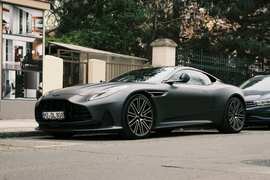
Matte Ethereal Silvers: These matte finishes reflect the core values of electrification. They convey a sense of advanced mobility, efficiency, and minimalism. “Triple Nickel” on Dodge’s Charger EV and “Silver Zynith” on Jeep’s Wagoneer S EV are prime examples of this trend.
Pearl-Infused Whites: Pearlized finishes add depth and luminosity to whites, reflecting the innovation and precision of EVs. These finishes were prominently featured on Honda’s canceled 0-Series concept vehicles, signaling the continued influence of electric mobility on color trends.
AI’s Role in Color Formulation
Artificial intelligence is revolutionizing the development of automotive colors. AI algorithms can analyze market trends, consumer preferences, and existing color formulations to predict the next big colors and speed up the R&D process.
Faster R&D: AI accelerates the typically tedious process of surveying existing colors and analyzing competitor offerings. “It’s speeding up the R in our R&D,” says Honda’s Gypsy Modina.
Democratization of Finishes: AI is making luxury finishes more accessible. “We can make a version of luxury styling to fit any price point now,” says PPG’s Misty Yeomans. This democratization means that premium finishes like matte and pearlescent are no longer limited to high-end vehicles, allowing consumers at all price points to choose sophisticated colors.
Conclusion: A Future of Expressive Mobility
The automotive industry is undergoing a seismic shift in how it approaches vehicle color. The days of monochromatic saturation are numbered as consumers increasingly prioritize self-expression, connection to nature, and technological innovation.
What This Means for You
If you are considering purchasing a new vehicle in 2026, now is the time to explore the expanding palette of color options. While neutral colors still offer excellent resale value, you may find that a bolder color reflects your personal style and aligns with the modern automotive ethos. If you are looking to invest in a vehicle that reflects cutting-edge technology and forward-thinking design, consider exploring the emerging trends in deep violets, ethereal silvers, and sophisticated greens.
Should You Buy, Wait, or Rent/Invest?
Buying: If you want a vehicle that is both practical and expressive, now is a great time to buy. The market is moving away from the traditional grayscale palette, giving you more options to choose from. Consider looking at vehicles that align with nature-focused trends, such as SUVs and electric vehicles, which are leading the way in color innovation.
Waiting: If resale value is your primary concern, you may want to wait a bit longer. While more expressive colors are gaining popularity, neutrals still command higher resale values. However, as green and other unique colors become more common, their resale values may