The Shifting Spectrum of American Automotive Color: Is the era of Neutral Vehicles Coming to an End?
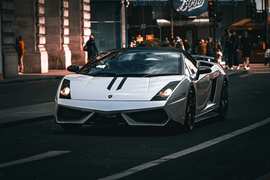
In the relentless pursuit of efficiency and longevity in the automobile market, American consumers have, for decades, defaulted to a palette of near-universal neutrality. White, black, and silver or gray hues continue to dominate the market, with nearly 80% of new vehicle purchases settling into one of these safer choices. This seemingly static preference, however, is facing a seismic challenge. Industry analysts and automotive color experts suggest that this era of grayscale is nearing its end, as a resurgence of bolder, more expressive colors signals a fundamental shift in consumer psychology and aesthetic preferences. In 2026, the automotive landscape is poised to reflect a growing desire for individuality, connection to nature, and emotional resonance in the vehicles that shape our daily lives.
The dominance of neutral colors has long been explained by pragmatism and the economics of depreciation. When purchasing a vehicle—a significant financial asset that typically depreciates rapidly—consumers prioritize factors that mitigate financial loss. According to industry experts, the high cost of new vehicles (with the average new car price recently hovering around the $50,000 mark) compels buyers to make fiscally conservative choices. Car dealers, driven by sales volume and inventory turnover, favor colors with the broadest appeal, as they are more likely to sell quickly with less haggling. This creates a self-reinforcing cycle where limited availability of vibrant colors leads to lower demand, further solidifying neutral hues as the default option.
However, this trend is cyclical, not permanent. The historical evolution of automotive color is a testament to broader societal moods. The optimistic and celebratory spirit of the 1950s fostered a landscape of pastel-colored cars, reflecting a culture of exuberance and post-war prosperity. Similarly, the early 2000s saw a surge in white vehicles, driven by the aesthetic of the burgeoning tech industry, where the glossy whites of iPods and iMacs symbolized innovation, simplicity, and cutting-edge design. These historical shifts suggest that current automotive color trends are not merely arbitrary choices but rather indicators of the prevailing zeitgeist.
The Rebirth of Color: Moving Beyond Grayscale
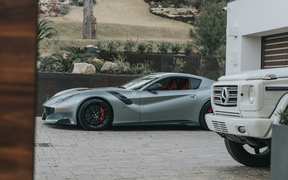
The shift away from neutral colors is not simply a matter of taste; it is a reflection of evolving consumer values and a growing desire for personal expression. Industry data indicates a steady upward trend in the market share of colored car paints, with a noticeable increase of nearly two percentage points in recent years. While this may seem marginal, it represents a significant reversal of the 21st-century trend where the automotive palette has become half as colorful as it was just two decades ago. This resurgence of color is driven by a confluence of factors, including a greater focus on individuality, a deepening connection to the natural world, and the influence of electrification on automotive aesthetics.
The Green Renaissance: A Symbiotic Relationship with Nature
One of the most striking shifts in automotive color trends has been the emergence of green as the most dynamic chromatic mover globally. This surge in popularity is not isolated; it is inextricably linked to the continued dominance of SUVs and crossovers in the market. Marketing imagery for these vehicles often centers around outdoor adventure, ecological symbolism, and a connection to nature, reflecting the self-image of buyers who value sustainability, exploration, and a healthy lifestyle.
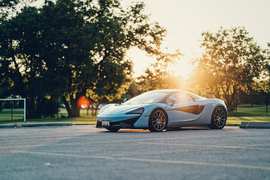
According to experts at the Pantone Color Institute, green signals individuality and a nature-linked aesthetic. This sentiment is echoed by industry analysts, who note a particular fascination with misty and willowy light greens. Colors like PPG’s “Secret Safari,” described as “organic” and “mineral,” exemplify this trend. These softer green hues visually convey efficiency, minimalism, and advanced mobility, suggesting a shift towards vehicles that are not just modes of transportation but extensions of a lifestyle aligned with environmental values.
However, the green trend is not limited to earthy tones. Deep violets are also gaining traction, driven by what industry experts describe as a growing attraction to the natural world and otherworldliness. The public’s ongoing fascination with space exploration has fueled this trend, leading to the emergence of intergalactic colors that blend purplish blues with hints of black or sparkling effects. These colors evoke a sense of wonder, exploration, and escape, reflecting humanity’s enduring fascination with the cosmos.
The Influence of Electrification: Smoked Neutrals and Ethereal Finishes
Electric vehicles (EVs) have also played a pivotal role in shaping the evolving automotive color palette. While EV sales growth may have slowed in recent years, their influence on aesthetics remains significant. Electrified vehicles are increasingly leading the charge in color innovation, pushing the boundaries of traditional automotive design.
“Smoked neutrals”—subtly tinted brownish or greenish grays infused with delicate chromatic undertones—are gaining traction among EV buyers. These colors allude to moods typically associated with quiet luxury, signaling a shift towards vehicles that exude sophistication and exclusivity. The olive color used to launch Jeep’s upcoming Recon electric off-roader is a prime example of this trend, blending natural earthiness with advanced electric mobility.
New finishes are also rejuvenating familiar color families. Matte ethereal silvers are on the rise among electric cars, as they reflect core electrification values such as “efficiency, minimalism, and advanced mobility.” Colors like “Triple Nickel” on Dodge’s Charger EV and “Silver Zynith” on Jeep’s Wagoneer S EV epitomize this trend. Additionally, an upsurge in pearl-infused whites references EV hallmarks such as “luminosity, depth, and expressing innovation and precision,” which were notably featured on Honda’s radical (and recently canceled) 0-Series concept vehicles.
The integration of artificial intelligence (AI) into the automotive industry is also accelerating color innovation. Industry experts note that AI assistance in paint formulations is democratizing finishes, making luxurious styles more accessible across various price points. It is also streamlining the research and development process, condensing timelines and allowing for faster adaptation to emerging trends.
The Rising Tide of Atmospheric Oranges
Adding to the wave of expressive colors, atmospheric oranges are increasingly capturing the attention of consumers. Influenced in part by the ongoing appeal of golden-hour selfies and social media trends, oranges also evoke the warmth of rock formations and the energetic feel of technical outdoor apparel. Gypsy Modina, principal designer of color, material, and finish at Honda, notes that orange is a particularly popular choice for rugged new vehicles. Honda’s recent launch of its new Passport TrailSport SUV in an exclusive Sunset Orange epitomizes this trend, combining natural aesthetics with a sense of adventure and adventure.
Cost Implications and Financial Strategies for Buyers
The evolving automotive color landscape has significant financial implications for consumers. With the average price of a new vehicle recently hovering around the $50,000 mark, buyers are more conscious than ever of how their color choices impact resale value and marketability.
Cost Considerations:
Resale Value: Neutral colors like white, black, and silver/gray typically command higher resale values due to their broad appeal. However, with the increasing popularity of expressive colors, the resale premium for neutrals may decrease over time.
Insurance Rates: Insurance rates are based on various factors, including the cost of repair and replacement. Bold colors may increase insurance costs if they are more expensive to repair or repaint.
Depreciation: The depreciation rate of a vehicle can be affected by its color. While neutral colors have historically been the safest bet for minimizing depreciation, the rising popularity of expressive colors suggests that they may hold their value better than in the past.
Financial Strategies for Buyers:
Evaluate Long-Term Costs: While a bold color might increase the initial price or insurance premium, consider the long-term costs associated with the vehicle. If the vehicle is expected to appreciate or hold its value well, the higher initial cost may be offset by a stronger resale value down the line.
Analyze Market Trends: Stay informed about market trends and consumer preferences. As expressive colors gain popularity, they may become more desirable on the resale market, potentially reducing the resale premium for neutral colors.
Work with Insurance Providers: Consult with insurance providers to understand how different colors affect insurance rates. They can provide quotes based on specific colors and vehicle models, helping buyers make informed decisions.
Consider Used Cars: When looking for a unique color, explore the used car market. While new cars often have limited color options, used cars offer a wider selection of bold and expressive hues.
The Mistakes to Avoid
When navigating the shifting automotive color landscape, there are several mistakes that buyers should avoid to minimize financial risk and maximize satisfaction.
Mistake 1: Sticking to Neutral Colors Out of Fear of Depreciation
Many buyers choose neutral colors out of fear of depreciation, but this mindset is increasingly outdated. As expressive colors gain popularity, they may hold their value better than in the past. Don’t let fear prevent you from choosing the color you truly want.
Mistake 2: Ignoring Insurance Costs
Bold colors can increase insurance costs, so always factor this into your budget. Work with insurance providers to understand the financial implications and ensure that the color choice aligns with your overall financial plan.
Mistake 3: Not Considering Long-Term Value
When choosing a color, think about the long-term value of the vehicle. A unique color might increase the initial cost, but it could also enhance resale value and overall satisfaction.
What This Means for You
The evolving automotive color landscape represents a shift in consumer preferences and a greater emphasis on individuality and self-expression. For buyers, this means there is more freedom than ever to choose a vehicle that reflects their personality and lifestyle. However, it also means being more mindful of the financial implications of color choices.
Decision Point: Buy, Wait, or Rent/Invest?