Gray No More: American Drivers Reclaim Color in 2026 Automotive Palette
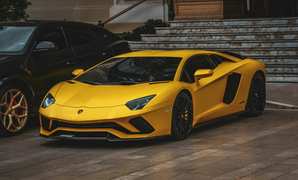
In the landscape of the modern American road, a visual shift is underway. For years, parking lots and driveways across the nation have been dominated by a sea of neutral, grayscale hues—white, black, and silver/gray. This trend has been more than a passing fad; it’s been a deeply entrenched habit driven by resale value concerns and the increasing cost of new vehicles. However, if the latest industry data is anything to go by, the era of colorless driving is rapidly nearing its end.
According to Gloria Jover, a senior automotive color and trend expert at the esteemed Pantone Color Institute, the market is undergoing a significant transition. “We are seeing the automotive palette evolve rather than stagnate,” Jover explains. While neutrals still command the largest market share, even this dominance is beginning to erode. Jover points to a measurable uptick in the demand for non-grayscale colors, a subtle but undeniable reversal of the twenty-first-century trend that has seen the U.S. automotive palette become demonstrably less vibrant compared to just two decades ago.
This drive toward blandness, according to Jover, is the result of a cyclical behavior where consumers prioritize safety when purchasing an increasingly pricey and depreciating asset. The average price of a new car in 2026 has climbed to an eye-watering average hovering around $50,000. This substantial financial commitment prompts buyers to stick with predictable choices. Car dealerships, acutely aware of market demand, stock neutrals because they sell fast. Consequently, car shoppers opt for these same colors to maximize their potential resale value when it comes time to upgrade. This creates a self-reinforcing loop where the fear of losing money on a depreciating asset stifles color creativity.
A Journey Through Automotive Color History
To understand where we are headed, one must first look at where we have been. The automotive color landscape has historically mirrored the broader cultural and technological moods of the era. The exuberant consumer optimism of the post-war 1950s, for instance, sparked a craving for joyful expression, resulting in the era’s iconic bright pastel-colored vehicles. These cars were rolling sculptures, embodiments of a future filled with promise and vitality.
Fast forward to the dawn of the twenty-first century, and the technological revolution of the early 2000s found its aesthetic reflection in the clean, glossy whites that graced revolutionary products like the original iPod and iMac. This design philosophy was quickly adopted by the automotive industry, fueling white’s ascent to the top of the color charts in the 2010s. White became the color of choice for early adopters and tech enthusiasts, signaling innovation, cleanliness, and modernity.
The 2026 Color Forecast: A Return to Nature and Boldness
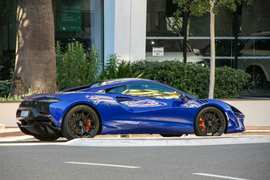
So, what can drivers expect from automotive color trends over the next five years? While some might expect a return to familiar favorites like blues and reds, these classic colors are notably losing popularity, according to BASF, the German chemical giant that supplies nearly half of all new car paint globally. The market is moving in a decidedly different direction.
The Rise of Green: Earthy Tones Lead the Pack
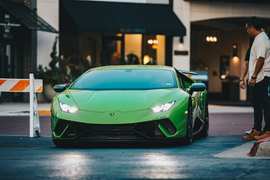
One of the most striking shifts in automotive color trends is the surge in popularity of green vehicles. This isn’t just a passing phase; it’s a direct response to our growing engagement with the natural world. As consumer awareness of environmental issues and the desire for sustainable living increases, green has become the “most dynamic chromatic mover worldwide,” according to Pantone’s Jover.
This ascent of green is intrinsically linked to the sustained appeal of SUVs and crossovers. These vehicles are often marketed as tools for outdoor adventure, aligning with a lifestyle that values nature, exploration, and sustainability. Jover notes that green signals individuality and a connection to the natural world. “It feels grounded, yet fresh,” she observes.
Misty Yeomans, automotive color and styling manager for paint giant PPG, highlights a specific niche within the green spectrum: minty and willowy light greens. PPG’s color of the year, “Secret Safari,” exemplifies this trend. Described as “organic” and “mineral,” these soft green shades resonate with consumers seeking efficiency, minimalism, and advanced mobility. Jover predicts that these gentle, eco-friendly tones will become increasingly prevalent in the coming years, appearing on everything from commuter sedans to rugged off-roaders.
Violet and Purple: Space-Age Hues and Escapism
While green dominates the organic trend, another emerging color family is tapping into our fascination with the celestial: deep violets and purples. This trend is fueled by our ongoing interest in space exploration and the futuristic promises of technology. “Consumers have continued to be super interested in space and space travel, so we’re seeing a rise in an intergalactic look,” says Yeomans.
This cosmic aesthetic includes purplish-blue hues that appear to shift to black or possess a star-like sparkle. These colors appeal to our tech-led fantasies of exploration and escape from the everyday. Dodge has masterfully capitalized on this trend with bold colors like “Purple Haze” and “After Dark” on its new Charger lineup. These vibrant shades stand out in a sea of neutrals, allowing drivers to express their individuality and embrace a futuristic, otherworldly identity.
Atmospheric Oranges: Capturing the Golden Hour
Beyond the earthy and celestial, atmospheric oranges are also making a significant impact on the automotive color scene. This trend is partially inspired by the ubiquitous practice of taking golden hour selfies and the aesthetic of sunsets. According to Yeomans, oranges also evoke the ruggedness of rock formations and draw inspiration from the courageous and energetic feel of technical outdoor apparel.
Gypsy Modina, principal designer of color, material, and finish at Honda, notes the synergy between this color trend and the sporty, adventurous appeal of certain vehicle segments. The brand recently launched its rugged new Passport TrailSport SUV in a stunning “Sunset Orange,” a color that perfectly encapsulates the spirit of adventure and freedom. This vibrant hue is a clear signal that Honda understands the emotional connection drivers have with their vehicles and is catering to those who want their cars to reflect their dynamic and adventurous lifestyles.
The Impact of EVs and AI on Color Innovation
The ongoing shift in automotive colors isn’t just a matter of changing consumer preferences; it’s also being driven by the disruptive influence of electric vehicles (EVs) and artificial intelligence (AI). Despite a slowdown in overall growth, the impact of electric vehicles on aesthetics remains profound. “Electrified vehicles are now leading a lot of the color trends,” says Modina.
The Reimagining of Neutrals: Smoked and Pearlescent Finishes
Even within the realm of neutrals, there’s a push for innovation. “Smoked neutrals—subtly tinted brownish or greenish greys infused with delicate chromatic undertones—are gaining traction” in the EV market, says Pantone’s Jover. These colors allude to moods typically associated with quiet luxury and sophisticated minimalism. One prominent example is the olive green used to launch Jeep’s upcoming Recon electric off-roader, a vehicle designed for adventurers who value sustainability and performance.
New finishes are also revitalizing familiar color families. Matte ethereal silvers are becoming increasingly popular among electric cars, as they reflect core electrification values such as “efficiency, minimalism, and advanced mobility,” Jover notes. “Triple Nickel” on Dodge’s Charger EV and “Silver Zynith” on Jeep’s Wagoneer S EV are prime examples of this trend. And an upsurge in pearl-infused whites references EV hallmarks such as “luminosity, depth, and expressing innovation and precision.” These finishes were notably featured on Honda’s radical (and recently cancelled) 0-Series concept vehicles, signaling a bold vision for the future of automotive design.
AI-Assisted Color Development
The role of technology in the color development process cannot be overstated. With the advancement of AI, the speed at which new colors can be developed and brought to market has increased dramatically. “With technological advances like AI, we can be more efficient in developing colors, compressing timelines, moving faster,” says Yeomans.
“It’s speeding up the R in our R&D,” adds Modina. AI algorithms can now analyze vast amounts of data on existing colors and competitor offerings, identifying gaps and emerging trends with unprecedented speed. This means that automotive manufacturers can respond to evolving consumer preferences more quickly than ever before. Furthermore, AI is democratizing finishes that were once exclusive and expensive to produce. “We can make a version of luxury styling to fit any price point now,” Yeomans explains. This has opened the door for more affordable vehicles to feature premium finishes like matte and pearlescent paints.
What This Shift Means for Consumers and the Market
The move away from grayscale automotive colors signifies a broader cultural shift. For the first time in over a decade, consumers are prioritizing self-expression and individuality over resale value. This marks a departure from the cautious, risk-averse mentality that has dominated the market for so long. But is this shift permanent, or is it just another cyclical trend?
The current economic climate suggests that this shift has staying power. As the cost of living rises, consumers are becoming more conscious of their spending habits. They are looking for ways to express themselves and enhance their daily lives without breaking the bank. This is reflected in the increasing demand for bold, expressive colors that can add a touch of personality to their vehicles.
Should You Buy a Colored Car or Wait?
For buyers considering a new vehicle purchase, the rise of colorful cars presents an interesting opportunity. If you’ve been waiting for the “perfect” color or worried about resale value, now is the time to reconsider your priorities. With so many vibrant options available, you can find a car that truly reflects