The Return of Color: Why American Drivers Are Ditching Grays and Whites for Bold Tones
By Sarah Jenkins – Automotive Industry Analyst
Published: October 27, 2026
Walk through any parking lot or dealership today, and the visual homogeneity is undeniable. Approximately 80 percent of new vehicle buyers across the United States opt for neutral shades—white, black, or silver/gray. This grayscale dominance represents a 21st-century trend where the automotive palette has become nearly half as vibrant as it was just two decades ago. However, industry experts are observing a subtle but significant shift. After years of favoring safe, conservative choices to protect resale value, American drivers are beginning to embrace bolder colors, signaling a broader cultural appetite for self-expression and connection to the natural world.
The Psychology of the Gray Car: Safety, Resale, and Economic Anxiety
Why have neutral colors dominated for so long? The answer lies in a confluence of economic caution and historical consumer behavior. The average price of a new car in 2026 has soared, often hovering around the $50,000 mark. This substantial financial investment naturally leads buyers to prioritize safety and liquidity. Gray and white cars are considered safe bets because they appeal to the widest audience, thereby maximizing resale value.
From a dealership perspective, stocking neutral inventory minimizes risk. Car manufacturers and dealers historically overproduce whites, blacks, and grays because they know these colors sell consistently. They are the “default” options, making the buying process easier and the supply chain more predictable. For the consumer, choosing a neutral color ensures that when they decide to sell or trade in their vehicle, they are less likely to take a significant depreciation hit. This conservatism reflects a broader economic anxiety, where drivers feel compelled to protect their investment in an increasingly volatile market.
However, this trend is cyclic. The mid-20th century, specifically the exuberance of the 1950s, was defined by pastel colors, reflecting an optimistic economic environment. Similarly, the early 2000s saw the rise of white as the preferred color for new cars, partially fueled by the tech boom and the popularity of sleek, minimalist designs from brands like Apple with their iconic white iPods and iMacs. As economic conditions and cultural values evolve, so too does our aesthetic preference. Experts suggest we are now entering a new cycle where Americans are seeking more than just reliable transportation; they want vehicles that reflect their identity and connection to the world around them.
The Rise of the Natural Palette: Green, Violets, and Oranges
The most significant trend driving the return of color is a renewed interest in the natural world. This connection is clearly articulated by automotive experts at leading paint suppliers such as BASF and PPG. Far from the bright blues and reds that dominated previous decades, the emerging colors are inspired by nature, suggesting an audience increasingly interested in sustainability, outdoorsmanship, and a return to organic simplicity.
Green: The Dominant Chromatic Mover
Green has emerged as the most dynamic color trend in the automotive industry worldwide. Its growing popularity is inextricably linked to the continued dominance of SUVs and crossovers. Marketing imagery for these vehicles often emphasizes ruggedness, exploration, and ecological sensitivity, aligning with the growing consumer desire for a nature-linked lifestyle.
Gloria Jover, an automotive color expert at the Pantone Color Institute, highlights that “Green signals individuality and a nature-linked aesthetic.” She notes that the market share of colored car paints has increased by almost two percentage points in recent years, a significant reversal of the two-decade trend toward blandification.
Misty Yeomans, automotive color and styling manager for paint giant PPG, points to the rising appeal of specific green hues. Soft, subtle greens like minty and willowy shades are gaining traction. PPG’s color of the year, “Secret Safari,” embodies this trend, described as “organic” and “mineral.” Jover explains that these soft greens visually communicate efficiency, minimalism, and advanced mobility, characteristics that align perfectly with the perception of many modern vehicles, especially electric and hybrid models.
Violets and Purples: A Fascination with Space and Otherworldliness
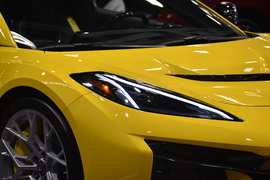
Beyond greens, deep violets and other purplish tones are also gaining popularity. These colors reflect a cultural fascination with space, exploration, and technology. According to Yeomans, consumers remain captivated by images of space, leading to an “intergalactic” aesthetic in automotive design. This trend manifests in vehicles with purplish-blue finishes that shift to black or feature shimmering sparkles that evoke the night sky.
Automotive manufacturers have capitalized on this by offering colors that tap into our futuristic fantasies of exploration and escape. Dodge, for instance, has embraced this trend with colors like “Purple Haze” and “After Dark” on its new Charger models. These deep, rich tones appeal to consumers who want to express a sense of wonder and individuality, reflecting a departure from the standard gray and black palette.
Orange: Atmospheric and Inspired by Adventure
Oranges are also making a comeback, often referred to as “atmospheric oranges.” This trend is influenced by popular social media culture, particularly the golden hour aesthetic. However, it also draws inspiration from the natural world and outdoor lifestyles.
Gypsy Modina, principal designer of color, material, and finish at Honda, explains that oranges often conjure feelings of rock formations and the bold, energetic spirit of outdoor apparel. Honda’s rugged new Passport TrailSport SUV features an exclusive Sunset Orange, appealing to consumers who prioritize adventure and exploration. These oranges are not merely bright colors; they are evocative shades designed to communicate a specific lifestyle and attitude.
The Influence of EVs and AI on Color Innovation
Electric vehicles (EVs) continue to play a crucial role in driving automotive color trends, even as the industry adjusts to slowing growth in this segment.
Green in Electrification
Green has become a symbolic color for electric vehicles, representing sustainability and a commitment to environmental responsibility. From the olive green used to launch Jeep’s electric Recon to other eco-friendly finishes, the color green aligns perfectly with the values associated with electrification. It signals to consumers that the vehicle is part of the green energy revolution, resonating with buyers who prioritize eco-consciousness.
Smoked Neutrals and Matte Finishes
While bold colors are emerging, the dominance of neutrals is not entirely disappearing. Instead, they are evolving with the introduction of “smoked neutrals.” These subtly tinted grays or browns, infused with delicate chromatic undertones, are gaining traction, particularly among EVs. Pantone’s Jover explains that these colors evoke moods associated with quiet luxury.
Matte finishes are also revitalizing familiar color families. Ethereal silvers are becoming popular among electric cars because they reinforce core electrification values such as efficiency, minimalism, and advanced mobility. Dodge’s “Triple Nickel” and Jeep’s “Silver Zynith” on their electric models exemplify this trend. Furthermore, an increase in pearl-infused whites references EV hallmarks like luminosity, depth, and innovation. This was evident in Honda’s radical (though later cancelled) 0-Series concept vehicles, which showcased brilliant white finishes.

AI Accelerating Color Development
The automotive industry is also leveraging artificial intelligence to speed up the color development process. With AI assistance, manufacturers can analyze existing colors, study competitor trends, and formulate new finishes more efficiently than ever before. Misty Yeomans notes that AI is “speeding up the R in our R&D,” compressing what used to be a lengthy process into a much faster timeline.
Moreover, AI is democratizing luxury finishes like matte and pearlescent. “We can make a version of luxury styling to fit any price point now,” Yeomans adds. This means that consumers who might not have previously afforded premium finishes can now access sophisticated styling, further breaking down the traditional barriers between luxury and mass-market vehicles.
What This Means for You: Should You Buy, Wait, or Rent?
The shifting landscape of automotive color trends reflects deeper currents in the American economy and consumer psychology. Understanding these trends can help you make a more informed decision about your next vehicle purchase.
Should You Buy Now or Wait?
The decision to buy a car depends heavily on your personal financial situation and lifestyle.
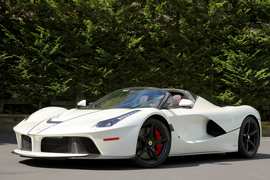
If you prioritize resale value: You might consider sticking with conservative colors like white, black, or silver. These colors will likely hold their value better in the resale market, but you may sacrifice some personal expression.
If you want a vehicle that reflects your individuality and connection to nature: Now is a great time to explore the new range of colors becoming available. Greens, violets, and oranges are gaining traction and can offer a fresh look in a sea of neutrals.
If you are interested in electric vehicles: Consider the unique aesthetic options available, such as smoked neutrals and matte finishes. These finishes often signify advanced technology and efficiency.
Cost Breakdown and Pricing Considerations
While the core idea of choosing a color is often seen as a personal preference, it has financial implications. Historically, neutral colors were easier to mass-produce, but as AI technology makes advanced finishes more accessible, the price gap is narrowing.
Premium Finishes: Some premium finishes, like pearl-infused whites or special metallics, may still come at an extra cost. Always factor this into your total budget.
Negotiating Power: If a dealer has a large inventory of gray or white cars, you may have more negotiating power to get a better deal on a neutral color. If you are set on a specific bold color, you might need to be patient and order a custom build, which could take longer and cost more.
Best Financial Strategies Right Now (2026)
In 2026, with rising car loan rates and increasing vehicle prices, buyers should focus on