The Spectrum Shift: How 2026’s Emerging Car Colors Reflect a Major Cultural Reframing
As industry veterans, we often observe how broader social currents manifest in the automotive landscape. For years, the parking lot was a monotonous sea of grayscale. It was a safe, pragmatic choice for an increasingly costly asset. However, this conservatism is finally cracking. New data for 2026 confirms what many of us already suspected: buyers are moving away from dull neutrals and embracing a wider palette of automotive colors. This isn’t just a stylistic shift; it’s a psychological one, driven by evolving values, technological acceleration, and a deep yearning for connection.
This comprehensive analysis explores why the market is moving away from gray and how this trend impacts consumers, manufacturers, and the future trajectory of the automotive sector. We will examine the key drivers, the emerging color families gaining traction, and what this means for buyers looking to make an informed decision on a new vehicle in 2026.
The Economics of Safety: Why Grayscale Dominated
Before diving into the new trends, we must understand the bedrock of modern automotive choice. For the better part of the past decade, American buyers have been overwhelmingly drawn to white, black, and silver/gray. Why? The answer lies at the intersection of depreciating assets and supply chain economics.
As the average price of a new car has approached $50,000, consumers naturally seek to protect their investment. A neutral color typically boasts better resale value than a flashy hue. It’s a logical hedge against depreciation, a decision driven by pragmatic financial risk management. This sentiment is echoed by industry veterans like Gloria Jover, an automotive color expert with the New Jersey-based Pantone Color Institute. “Trend data clearly shows the palette evolving rather than stagnating,” Jover notes. “This is a significant reversal of 21st-century trends, an era in which the automotive palette has become half as colorful as it was just two decades ago.”
Manufacturers, too, have played their part in perpetuating the grayscale trend. Car dealerships tend to stock neutrals because they know those sell the fastest. A high volume of beige paint on the lot means less cash tied up in inventory and lower risk for the dealership. When a consumer enters a showroom looking to finance a car or get a new car loan, they are presented with the least risky option, reinforcing the cycle of muted choices.
The Consumer Optimism Effect
To truly understand the current shifts, we must look at historical cycles. The 1950s are remembered for their bright pastels and chrome accents. This era reflected a broader spirit of American optimism, post-war industrial prowess, and economic expansion. Similarly, the early 2000s witnessed a rise in white vehicles, largely influenced by the sleek, tech-forward design of Apple’s iPod and iMac. This showed a cultural alignment with the burgeoning digital age.
In 2026, what are the new cultural drivers shaping our aesthetic preferences? The answer lies in an increasing connection to the natural world and an accelerating integration of artificial intelligence.
Green: Nature’s Signature on the Road
One of the most significant color trends of 2026 is the ascent of green. This growth is particularly notable for segments like SUVs and crossovers, where outdoor and ecological symbolism dominate both marketing and buyer self-perception.
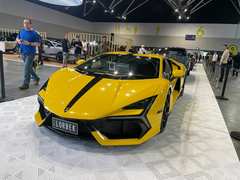
Gloria Jover highlights the significance: “Green signals individuality and a nature-linked aesthetic.” This speaks volumes about the current consumer zeitgeist. As we grapple with environmental concerns and the urban/suburban sprawl, many consumers are actively seeking ways to reconnect with nature. A green car isn’t just a color; it’s a statement about environmental awareness and an affirmation of an outdoor lifestyle, even if it’s just an aspirational one.
Misty Yeomans, automotive color and styling manager for paint giant PPG, points to specific shades emerging within the green spectrum. “Particularly the fledgling appeal of minty and willowy light greens, such as PPG’s color of the year, ‘Secret Safari,’ which it describes as ‘organic’ and ‘mineral.’ These soft green colors visually reflect efficiency, minimalism, and advanced mobility.”
This trend is perfectly encapsulated in the Best Electric Cars category. Consumers looking for an EV often associate the color green with sustainability and cutting-edge technology. The 2026 Jeep Recon, which features an olive tone, is a prime example. “Green’s ascent is linked directly to the continued popularity of SUVs and crossovers,” Jover adds. “For those seeking SUV deals or looking to lease a crossover in 2026, a green option might just be the ideal way to express individuality and an affinity for the outdoors.”
Luxury and Otherworldliness
Beyond the popular appeal of green, other colors are emerging to signify different facets of the modern mindset.
Violet and Purple Tones: The Pursuit of Escape
Deep violets are also emerging, signaling a desire for something beyond the ordinary. This trend is closely linked to an enduring fascination with space exploration and technology. “Consumers have continued to be super interested in space and space travel, so we’re seeing a rise in an intergalactic look,” says Yeomans.
This manifests in purplish blues that shift to black or have a star-like sparkle. It represents a form of escapism, a futuristic fantasy realized through automotive design. Dodge has brilliantly capitalized on this with colors like “Purple Haze” and “After Dark” on its new Charger models. For consumers considering Dodge cars for sale or looking at sports car incentives, these daring colors offer a chance to break free from the usual and embrace something truly unique.
Orange and Earth Tones: The Golden Hour Appeal
Another noteworthy trend involves “atmospheric” oranges, inspired in part by the prevalence of golden hour selfies. But it’s more than just Instagram aesthetics. Orange also conjures up images of rock formations and evokes the courage and energy associated with technical outdoor apparel.
Gypsy Modina, principal designer of color, material, and finish at Honda, articulates this trend: “Andi Hedrick|Car and Driver.” The brand recently launched its rugged new Passport TrailSport SUV in an exclusive Sunset Orange. This isn’t just a random paint color; it’s a visual storytelling device. By coating their off-road vehicles in sunset orange, Honda connects the vehicle to adventure, energy, and exploration, appealing directly to the consumer who views their SUV as a gateway to adventure and relaxation.
The EVs and AI Catalyst
Perhaps the most powerful drivers of color innovation in 2026 are the accelerating influences of electric vehicles (EVs) and artificial intelligence (AI).
EVs: Charging the Color Narrative
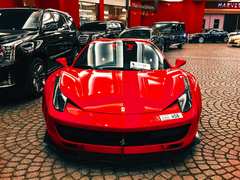
Despite slowing growth, the impact of EVs on automotive aesthetics remains immense. “Electrified vehicles are now leading a lot of the color trends,” says Modina. The electric vehicle market, a burgeoning sector ripe with 2026 electric car rebates and EV tax credits, is actively setting the agenda for future automotive design.
Manufacturers are using color to signal core EV values such as “efficiency, minimalism, and advanced mobility.” Gloria Jover notes the rise of “smoked neutrals” in EVs—subtly tinted brownish or greenish grays infused with delicate chromatic undertones. This evokes moods of quiet luxury and sophistication, often associated with high-tech, low-impact living.
One notable example is the olive used to launch Jeep’s upcoming Recon electric off-roader. This decision is a perfect marriage of function and form, aligning the vehicle’s green credentials with its eco-friendly propulsion system. For consumers researching new EVs to buy or comparing green car financing options, the aesthetic appeal of these designs adds another layer to their decision-making process. The market is shifting from simply buying a car to choosing an extension of one’s values and lifestyle.
AI: The Speed of Innovation
Artificial intelligence is fundamentally changing how colors are developed and applied in the automotive industry. “With technological advances like AI, we can be more efficient in developing colors, compressing timelines, moving faster,” says Yeomans.
This speed-up in the R&D process is transformative. “It’s speeding up the R in our R&D,” adds Modina, “condensing the previously tedious efforts of surveying existing colors and/or those used by competitors.” AI’s ability to sift through vast data sets allows manufacturers to identify trending colors and consumer preferences at an unprecedented speed.
Furthermore, AI is democratizing finishes. Previously exclusive techniques like matte or pearlescent coatings are becoming more accessible. “We can make a version of luxury styling to fit any price point now,” Yeomans adds. This is especially relevant in the used car market, where premium finishes are often a differentiator. An AI-optimized process helps ensure these sophisticated finishes are available across different price ranges, allowing more buyers to experience luxury without the luxury price tag.
What This Means for You
For the typical car buyer in 2026, this shift toward color innovation presents both exciting opportunities and potential pitfalls. If you’re in the market for car insurance, you might notice that premiums might differ for highly unique or expensive color finishes. Similarly, anyone researching pre-owned luxury cars should look for the details—are the advanced finishes holding their shine?
Should You Buy, Wait, or Rent/Invest?
The rising popularity of green, violet, and earth tones suggests that buyers are becoming more confident and willing to express themselves through their vehicles. If you’ve been waiting to buy a new car, now might be an excellent time to look at colors that reflect your personality.
However, the data also reveals a cycle. While grayscale is fading, bright