The Evolution of Automotive Hues: A Post-Pandemic Shift from Monochrome to the Unexpected
The automotive landscape is undergoing a quiet revolution. For years, the roads have been dominated by the safe, utilitarian palette of white, black, gray, and silver. This grayscale dominance—often attributed to resale value and the perceived practicality of neutral colors—reached its zenith in the early 21st century. Yet, the modern consumer is increasingly seeking more than just transportation; they desire self-expression, individuality, and a deeper connection to the world around them. In 2026, this shift is manifesting in a resurgence of bolder, more vibrant automotive colors, signaling a fundamental change in how Americans view their vehicles.
The Erosion of the Monochrome Hegemony
Traditionally, the average American new-car buyer has overwhelmingly favored neutral tones. The statistics have historically supported this trend, with grayscale colors accounting for nearly 80 percent of new car sales. This market share, however, has not been static. In recent years, the market share for non-neutral, more expressive colors has increased by nearly two percentage points. While this percentage might seem small on the surface, it represents a significant reversal of the 21st-century trend towards blandification in automotive design.
This shift away from neutrals is not merely a cyclical whim but a response to a broader economic and social context. As the cost of new vehicles has escalated, the average price of a new car has hovered near the $50,000 mark. In an era of significant financial investment, consumers are naturally inclined to play it safe. They seek to protect their asset by purchasing a vehicle that will hold its resale value. This creates a reinforcing cycle: dealers stock more neutrals because they know they sell best, and buyers purchase neutrals to maximize their return on investment. However, as this article will explore, the current economic climate and evolving consumer preferences are challenging these long-held beliefs.
A Historical Perspective: The Cyclical Nature of Color
The history of automotive color is a testament to the cyclical nature of consumer preferences and technological innovation. In the mid-20th century, the exuberant consumer optimism of the 1950s gave rise to an era of bright pastel-colored vehicles. These cars were characterized by their vibrant, eye-catching hues, reflecting the carefree spirit and economic prosperity of the post-war boom.
Conversely, the early 2000s witnessed the rise of white as a dominant automotive color. This trend was largely influenced by the tech industry, particularly Apple’s introduction of glossy white products like the iPod and iMac. White symbolized cleanliness, simplicity, and technological sophistication, making it the preferred choice for consumers who wanted to project a modern, minimalist image.
In 2026, however, the automotive palette appears to be undergoing another transformation. While the demand for neutrals remains strong, there is a growing interest in more daring colorways. This trend is not limited to a single color but encompasses a range of hues that evoke a connection to nature, technology, and individuality.
The Rise of Naturistic Hues
One of the most significant drivers of automotive color trends in 2026 is the burgeoning consumer desire for connection to the natural world. This influence is most evident in the rise of green as a dominant automotive color. According to industry experts, green has become the most dynamic chromatic mover worldwide, reflecting a broader societal shift towards sustainability, eco-consciousness, and outdoor living.
The popularity of SUVs and crossovers has further fueled the demand for green vehicles. These vehicles are often marketed as eco-friendly, adventurous, and ideal for outdoor activities. As such, green has become a symbol of individuality and a nature-linked aesthetic, appealing to buyers who want to project an image of environmental consciousness and a love of the outdoors.
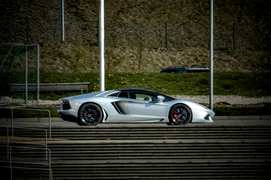
Within the green palette, there is a particular interest in minty and willowy light greens. Colors like PPG’s “Secret Safari,” described as organic and mineral, embody this trend. These soft green colors visually reflect efficiency, minimalism, and advanced mobility, aligning with the values of consumers who prioritize sustainability and eco-friendliness.
Exploring the Depths of the Color Palette
Beyond green, other non-neutral colors are also gaining traction in the automotive market. Deep violets, for example, have emerged as signifiers of our attraction to the natural world and our fascination with space exploration. As consumer interest in space travel continues to grow, there is a corresponding rise in intergalactic aesthetics. This includes purplish blues that shift to black or have a star-like sparkle, tapping into our tech-led fantasies for exploration and escape.
Automotive manufacturers have capitalized on this trend by offering bold and unique color options. Dodge, for instance, has introduced colors like “Purple Haze” and “After Dark” on its new Charger models, catering to consumers who want to stand out from the crowd. Similarly, Honda has introduced its rugged new Passport TrailSport SUV in an exclusive “Sunset Orange,” a color that evokes the warmth of golden hour sunsets and the ruggedness of outdoor adventures.
The Influence of Electrification and Artificial Intelligence
The automotive industry is undergoing a paradigm shift with the increasing adoption of electric vehicles (EVs). Despite the slowing growth of EV sales, the influence of EVs on aesthetics remains strong. “Electrified vehicles are now leading a lot of the color trends,” says Gypsy Modina, principal designer of color, material, and finish at Honda.
In the EV segment, there is a growing demand for “smoked neutrals”—subtly tinted brownish or greenish grays infused with delicate chromatic undertones. These colors align with the values of EV owners who often prioritize efficiency, minimalism, and advanced mobility. Jeep’s upcoming Recon electric off-roader features a distinct olive color, embodying this trend and catering to consumers who want to project an eco-conscious and technologically advanced image.
New finishes are also rejuvenating familiar color families in the EV market. Matte ethereal silvers are gaining traction among electric cars, reflecting the core values of electrification. Dodge’s “Triple Nickel” on the Charger EV and Jeep’s “Silver Zynith” on the Wagoneer S EV exemplify this trend. Additionally, a resurgence in pearl-infused whites references EV hallmarks such as luminosity, depth, and innovation.
The advent of artificial intelligence (AI) is also playing a significant role in shaping automotive color trends. “With technological advances like AI, we can be more efficient in developing colors, compressing timelines, moving faster,” says Misty Yeomans, automotive color and styling manager for paint giant PPG. AI is accelerating the R&D process, condensing the previously tedious efforts of surveying existing colors and competitor offerings. Furthermore, AI assistance in paint formulations is democratizing finishes, making previously exclusive finishes like matte or pearlescent accessible across a range of price points.
What This Means for You
The evolving automotive color landscape offers consumers a unique opportunity to express their individuality while also staying aligned with current design trends. For those considering a new car purchase in 2026, understanding these trends can help them make informed decisions about their vehicle’s color.
Choosing the Right Color:
Consider your lifestyle: If you are an outdoor enthusiast who enjoys camping or hiking, a green or orange vehicle might be the perfect fit. If you prefer a sleek, modern look, you might opt for a matte silver or white.
Think about resale value: While neutral colors still hold their resale value, bold colors are becoming increasingly popular. If you plan to sell your car in a few years, you might want to choose a color that is in high demand.
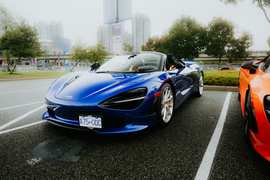
Test out the colors: Don’t rely on photos alone. Visit your local dealership and see the colors in person. This will help you determine which colors you truly love and which ones you want to avoid.
Should You Buy, Wait, or Rent/Invest?
In 2026, the decision of whether to buy, wait, or rent/invest in a new car is more complex than ever. The average price of a new car has reached record highs, making the decision to purchase a significant financial commitment. However, the automotive color landscape has also changed, offering consumers more choices than ever before.
Buying:
Consider financing options: If you are considering purchasing a new car, research financing options to find the best rates. You can also explore leasing options to avoid the long-term commitment of ownership.
Look for deals: Many manufacturers offer incentives and rebates on new cars. Check your local dealership for current offers.
Think about insurance costs: Insurance costs vary depending on the car’s color and features. Get quotes from multiple insurance providers to find the best rate.
Waiting:
Consider economic factors: The economy is constantly changing. Waiting for a few months could result in lower car prices or better financing options.
Monitor technology trends: EV technology is advancing rapidly. Waiting for new EV models to be released could result in better range, faster charging times, and more advanced features.
Renting/Investing:
Consider ride-sharing services: If you don’t need a car every day, consider using ride-sharing services instead of owning a car.
Look at car-sharing programs: Many cities offer car-sharing programs that allow you to rent cars by the hour or day.
Consider ride-sharing investment: Investing in ride-sharing stocks could offer a way to profit from the growing ride-sharing industry.
Best Financial Strategies Right Now (2026)
In 2026, there are several financial strategies that consumers can use to navigate the car market. One strategy is to consider the long-term costs of ownership, including fuel, insurance, and maintenance. Another strategy is to explore financing options,