
A Return of the Supercar Specter: The 2008 Spyker C8 Laviolette and Its Resurgence
The automotive world has always been a stage for drama, spectacle, and the occasional ghost from the past. In the fiercely competitive luxury performance segment, a handful of brands have consistently captured the imagination of enthusiasts through sheer exclusivity and daring design. While manufacturers like Ferrari, Lamborghini, and McLaren dominate the headlines with their cutting-edge technology and aggressive track records, the Dutch automaker Spyker has carved a unique, if often understated, niche. For over two decades, Spyker pursued its vision of merging aerospace-inspired engineering with high-end European craftsmanship, producing cars that looked like they had flown off the set of a science fiction film rather than the assembly line.
One of the most fascinating chapters in Spyker’s recent history involves the iconic 2008 Spyker C8 Laviolette. This particular model is more than just a rare exotic car; it represents a distinct moment in the brand’s evolution, embodying the technical ambition, avant-garde design, and the distinctive “Dutch” flair that characterized Spyker’s first major foray into road car production. With its unique mechanical configuration and eye-catching aesthetics, the C8 Laviolette remains a compelling subject for automotive collectors, performance enthusiasts, and anyone intrigued by the intersection of engineering, art, and entrepreneurial spirit in the hypercar arena.
The Genesis of a Dream: Spyker’s Rebirth and the C8 Laviolette
To truly appreciate the significance of the 2008 Spyker C8 Laviolette, one must first understand the history of the Spyker marque itself. The company’s origins trace back to 1898, a period when the automobile industry was just beginning to take shape, and pioneering companies were experimenting with every imaginable engine type and body style. The original Spyker company was known for its high-quality engineering, having supplied aircraft engines during the early days of aviation, and later transitioning to luxury motorcars. However, like many early automotive ventures, the original company eventually ceased operations in 1926.
The Spyker name remained dormant for decades, until it was resurrected in 1999 by Victor Muller. Muller, a Dutch lawyer with a passion for vintage cars, set out to create a new era of performance automobiles that would honor the company’s rich heritage while pushing the boundaries of contemporary design and engineering. He envisioned a car that would be as visually arresting as a Bugatti, as technically capable as a Porsche, and as luxurious as a Rolls-Royce, all while retaining a distinct identity that set it apart from mainstream luxury brands.
The first fruit of Muller’s vision was the Spyker C8, which debuted in the early 2000s. Spyker leveraged the extensive expertise it had gained during its time as a race team owner and partner in Formula 1, integrating the precision and performance-oriented design of race cars into its road-going machines. The C8 lineup was characterized by its distinctive chassis construction, luxurious interiors with a strong aviation influence, and naturally aspirated V8 engines sourced from Audi.
The 2008 Spyker C8 Laviolette occupies a pivotal place within this lineup. The Laviolette variant, named after the French aircraft designer Louis Blériot and the innovative “Langton” Laviolette aircraft built by the original Spyker company in 1915, was designed to offer a more refined, weather-resistant driving experience compared to the open-top Spyder models. It featured a distinctive glass roof that added to its futuristic and exclusive appearance. This model, often produced in limited numbers, represented a peak of Spyker’s early design language, blending automotive prowess with an almost sculptural approach to metalwork and craftsmanship.
Design and Engineering Philosophy: A Masterclass in Exclusivity
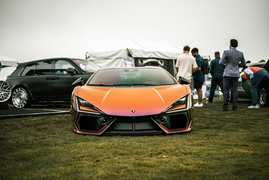
The exterior of the 2008 Spyker C8 Laviolette is a visual tour de force, immediately signaling that this is no ordinary sports car. The design adheres to Spyker’s signature “Jet Age” philosophy, characterized by exposed mechanical components and aerodynamically sculpted surfaces. The bodywork is crafted from lightweight aluminum, flowing seamlessly into the unique body features such as the dramatic canopy roof and intricately detailed intake nacelles. One of the most striking visual elements is the wheel design, which mimics the propellers of an aircraft engine, a direct nod to the company’s heritage.
Beyond the striking overall silhouette, the Spyker C8 Laviolette is renowned for its meticulous attention to detail in the chassis, suspension, and aerodynamic features. The cars were designed with a strong emphasis on lightness and agility, utilizing lightweight materials and performance-focused suspension systems. This engineering approach was designed to create a balanced and engaging driving experience, positioning the car as a true driver’s machine rather than just a showpiece.
Mechanical Precision: Powering the Exotic Spectacle
Underneath its aviation-inspired exterior, the 2008 Spyker C8 Laviolette features a robust and reliable powertrain that strikes a balance between performance, reliability, and acoustics. Spyker partnered with Audi to source a high-performance, naturally aspirated V8 engine. This engine, often an Audi-derived 4.2-liter displacement unit, produces around 400 horsepower in this application.
The power delivery is renowned for its smooth and linear characteristics, providing a visceral connection to the engine and offering a distinctive soundtrack that enhances the overall driving experience. The V8 ensures strong acceleration and responsive throttle input, which is essential for a car in this segment. The power is managed by a Getrag 6-speed manual transmission, which is often praised for its precision and tactile feel. The combination of a powerful V8 and a manual gearbox ensures a deeply engaging driving experience, as the driver remains fully connected to the machinery. This choice of transmission reinforces Spyker’s commitment to driver involvement and the pure joy of driving, a philosophy often appreciated by car collectors and enthusiasts of traditional sports cars.
The Interior Experience: A Sanctuary of Luxury and Art Deco
Where the 2008 Spyker C8 Laviolette truly differentiates itself from its competitors is in its interior. Spyker has always emphasized a unique blend of luxury and aeronautical design, creating a cabin that feels less like a car interior and more like a bespoke cockpit. The use of high-quality materials is evident throughout, with exposed aluminum, hand-stitched leather, and brushed metal accents contributing to a tactile and visually rich environment.
The dashboard is a prime example of this design philosophy. It features four circular gauges with aviation-inspired numerals and typography, framed by polished metal bezels. The steering wheel is often a four-spoke design, further reinforcing the aircraft theme. A defining feature of the Laviolette interior is the central gear linkage, which is typically exposed, rotating around a chromed central pivot rod. This mechanical feature is not just for show; it is a functional element that is crafted with artistic precision, often outperforming more conventional gated shifters in terms of mechanical feel and engineering elegance.
The seats are ergonomically designed to provide support and comfort during spirited driving, while the overall layout of the cabin is driver-centric. The glass roof, a defining characteristic of the Laviolette, allows natural light to flood the interior, creating an open and airy atmosphere that enhances the sense of luxury and exclusivity.
Performance and Driving Dynamics
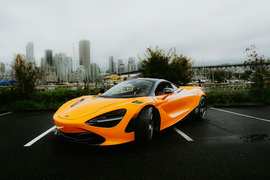
While the 2008 Spyker C8 Laviolette may not hold the absolute top-speed records of the hypercar segment, it is nonetheless a remarkably capable sports car that delivers an engaging and visceral driving experience. The performance of the 400-horsepower V8 engine, combined with the car’s lightweight construction and agile chassis, ensures that the C8 is quick enough to hold its own in any spirited drive.
The car’s handling characteristics are a highlight of its design. The C8 is designed to be agile and responsive, allowing drivers to navigate winding roads with precision and confidence. The suspension system is tuned to provide a balance of ride comfort and handling stability, making the car suitable for both spirited drives on country roads and comfortable cruising.
However, it is the overall sensory experience that truly sets the Spyker C8 Laviolette apart. The symphony of the naturally aspirated V8 engine, the mechanical precision of the manual gearbox, and the tactile feel of the interior controls all contribute to a deep sense of driver engagement. The car’s aesthetic appeal and exclusivity also add to the overall experience, as driving a Spyker is a statement of individuality and appreciation for craftsmanship that goes beyond mere performance metrics.
Production Numbers and Market Significance
The Spyker C8 Laviolette is a rare car, and its exclusivity is a significant part of its appeal. Spyker has always produced cars in very limited numbers, and the Laviolette variant is particularly rare, with only around 60 examples thought to have been produced. This rarity makes the 2008 Spyker C8 Laviolette a desirable collector’s item, especially for enthusiasts who appreciate unique automotive designs and appreciate the craftsmanship that goes into building such cars.
The market for low-volume, high-end sports cars like the Spyker C8 Laviolette is driven by factors such as rarity, design, performance, and overall collectibility. These cars often hold their value well and can even appreciate over time, especially for models that are well-maintained and in excellent condition.
Recent Developments and the Legacy of Spyker
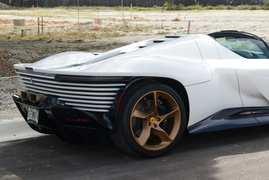
While the 2008 Spyker C8 Laviolette represents a significant chapter in the company’s history, the Spyker brand has continued to evolve. For several years, the original founder Victor Muller retained ownership and continued to pursue his vision of producing bespoke high-end sports cars. In recent years, the brand has undergone significant transformations, with