
Lamborghini Urus SE Review 2026: The Hybrid Supercar SUV That Won’t Sacrifice Thrills
If the automotive landscape were a mythical kingdom, the Lamborghini Urus would have long reigned as the fiercest beast. Forget your pragmatic SUVs; the original Urus was a statement of pure hedonism. With a silhouette that could slice through the wind like a stiletto and a roar that echoed from the Alps to the desert, it captivated everyone lucky enough to witness its approach. For years, it was the undisputed monarch of speed, drama, and raw emotion on four wheels.
But history rarely sleeps. In a move that sent shockwaves through the industry, Lamborghini did something audacious—not just building an SUV, but transforming it into an eco-conscious luxury machine. The end of the V8 era? Not quite. It’s a transition, not an abdication. In 2025, the non-hybrid variants, the S and Performante, were retired to the history books, replaced by the all-new Urus SE. And this isn’t just a subtle facelift; it’s the most powerful Urus yet, blending the primal fury of a V8 with the electrifying surge of a plug-in hybrid (PHEV).
Except, the story doesn’t stop there. While the purists might weep for the lost roar of unfiltered petrol, the Urus SE proves that performance and sustainability are no longer mutually exclusive. This vehicle shatters the assumption that hybrid technology means compromise. In fact, the SE combines 789 bhp with impressive efficiency, making it the most potent Lamborghini Urus we’ve ever seen, and also the greenest.
Visually, the SE retains the aggressive, angular DNA that makes the Urus instantly recognizable. However, it does come with a few subtle refreshes designed to maintain its edge. The nose has been restyled, the bonnet subtly altered, and inside, occupants are treated to a larger, 12.3-inch infotainment screen that updates the cabin with modern connectivity and usability.
This begs the question that looms over every automotive enthusiast today: can the Urus retain its soul in this era of hybridization? Has the shift to eco-consciousness dulled its legendary hedonism? Perhaps, for those seeking the ultimate expression of power and theatre, the answer lies not just within the Lamborghini Urus itself, but in a comparison with its elite rivals—models like the Audi RS Q8, the opulent Bentley Bentayga, and the dynamic Porsche Cayenne. These challengers share a common heritage with the Urus, but the market also offers competitors that strike out on their own path, such as the breathtaking Aston Martin DBX or the imposing Range Rover Sport SV. Choosing the right Urus alternative is about aligning power with personal philosophy.
Timeline of the Lamborghini Urus
| Date | Milestone |
| :———- | :———————————————– |
| May 2024| Urus SE plug-in hybrid launched, combining 4.0L V8, electric motor, and 22kWh battery for 789 bhp. |
| April 2024| Urus SE plug-in hybrid unveiled at Beijing Motor Show. |
| September 2022| Urus S launched with 657 bhp. |
| August 2022| Urus Performante introduced with 657 bhp, 47kg lighter, revised aerodynamics. |
| April 2018| First UK deliveries commence, featuring carbon ceramic brakes, adaptive air suspension, 4WD, and 4-wheel steering. |
| December 2017| Production car debuts, opening orders with a 641 bhp twin-turbo 4.0L V8, 0-62 mph in 3.6s, and a top speed of 189 mph. |
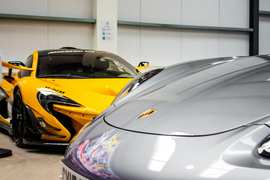
| April 2012| The Urus concept car is shown at the Beijing Motor Show. |
Overview: The Lamborghini Urus Philosophy
If we judged the Lamborghini Urus purely on its driving dynamics, it would undoubtedly earn a perfect five-star rating, without question. The way it handles is astonishing; it’s ludicrously fast and, arguably, the most exhilarating and capable sports SUV on the market. For those who favour raw speed, theatre, and unmatched performance over a soft ride and whisper-quiet cruising, the Urus is the ultimate choice. Even in electric mode, it offers a degree of silent running that is almost unnerving for such a high-performance vehicle. It falls to four stars primarily due to the Aston Martin DBX, which delivers nearly the same driving thrills but excels in luxury, offering an interior that feels more befitting its premium price tag. Additionally, the Porsche Cayenne provides 90% of the Urus’s talents for considerably less money. However, if you bypassed those two and chose the Urus, we would absolutely understand why.
Key Features of the Lamborghini Urus
| Feature | Details |
| :———————- | :———————————————————————————————————– |
| Performance | 789 bhp total system output, 3.4-second 0-62 mph time. |
| Powertrain | Plug-in Hybrid (PHEV) with a 4.0L twin-turbo V8 and electric motor. |
| Electric Range | Up to 37 miles on battery power alone (WLTP). |
| Fuel Economy | Varies significantly based on usage: 40+ mpg in hybrid mode, 20 mpg under heavy load. |
| Handling | Agile, responsive, rear-wheel steering, active anti-roll bars. |
| Interior | Premium materials with hexagonal accents and fighter-jet-inspired controls. |
| Boot Space | 454 litres (reduced due to battery placement). |
| Technology | 12.3-inch infotainment system, digital cockpit, optional Akrapovic exhaust. |
| Running Costs | High cash cost but reasonable running costs are achievable with efficient hybrid usage. |
Strengths and Weakngths
Strengths

Searing Straight-Line Pace: The combined V8 and electric motor provide neck-snapping acceleration.
Great V8 Noise or Silent Electric Running: Experience the full auditory thrill or serene luxury.
Delightfully Judged Ride and Handling Balance: Offers exceptional agility for its size.
Weaknesses
Some Regenerative Braking Corruption: The brake pedal feel is slightly inconsistent in hybrid mode.
Slightly Delayed Response in Hybrid Mode: Occasionally, there’s a minor hesitation when demanding power.
Limited Electric Range: 37 miles (WLTP) is adequate but less than some rivals.
Interior Finish Doesn’t Match Price Rivals: Some materials lag behind competitors like the Bentley Bentayga.
Seriously Expensive to Buy: The initial cost places it at the very top tier of the market.
Performance & Drive: The Heart of the Lamborghini Urus SE
The driving experience of the Lamborghini Urus has always been the ultimate selling point—a symphony of raw power and surgical precision. Since the retirement of the Urus S and Performante, the Urus SE is the only powertrain available, and we use the term “powertrain” deliberately, because the SE isn’t just equipped with a 4.0-litre twin-turbo V8. It’s a plug-in hybrid (PHEV), which means it features an electric motor and a 22kWh battery alongside the internal combustion engine.
The V8 engine now produces slightly less power than it did in the Performante (612 bhp versus 666 bhp), but when you add the electric motor, the whole package delivers a staggering 789 bhp and 701 lb ft of torque. That’s a significant amount of thrust.
While it is the most powerful Urus ever created, it’s not the quickest in a straight line. This is due to added weight: the SE, with the hybrid battery and electric motor integrated, is also the heaviest Urus in the range. Ultimately, the extra power and weight largely cancel each other out. The 0-62 mph sprint takes 3.4 seconds in the SE, whereas the lighter but slightly less powerful Performante managed it in 3.3 seconds.
If that slight difference seems disappointing, perhaps it’s time for some perspective. On paper, the Urus SE is still faster than most other high-end sports SUVs, including the fastest Porsche Cayenne (the Turbo E-Hybrid GT Package), the Aston Martin DBX S, the Audi RS Q8, and the Bentley Bentayga Speed.

On the road, the performance is truly blistering. In the raciest drive modes, which prioritize performance over efficiency, the electric motor provides an instant surge of torque when you accelerate. Then the V8 joins in with its signature chest-thumping roar, delivering relentless power right up to a top speed of 194 mph, provided you have the runway for it. The car also