Navigating the New Vehicle Color Landscape: From Monotone to Millennial Hues in 2026
The world of automotive aesthetics is undergoing a profound shift. For years, the American automotive landscape has been dominated by what we affectionately call the “grayscale era.” White, black, and various metallic grays have saturated our parking lots, becoming the default choice for nearly 80% of new-car buyers. But is this monochrome monotony finally on its way out? Industry experts are signaling a clear reversal, suggesting that consumers are actively seeking a palette beyond the predictable and sterile. As we navigate the financial complexities of buying a car in 2026—where new car prices hover around the $50,000 mark—the decision about vehicle color has never felt more personal, or more pivotal for resale value.
The Cycle of Color: From Post-War Opulence to Modern Minimalism
Every generation has its signature colors. The flamboyant optimism of the 1950s gave birth to era-defining pastel hues, embodying the spirit of post-war excess and youthful exuberance. Similarly, the early 2000s saw the rise of white, heavily influenced by the sleek design of consumer electronics like iPods and iMacs. This period marked a shift towards clean, futuristic aesthetics, a trend that heavily impacted car paint options and automotive color trends.
However, the mid-2010s ushered in a period of what industry analysts call “blandification.” The average cost of a new car began its ascent toward the unprecedented $50,000 benchmark, forcing buyers into a defensive mindset. When consumers are investing such a significant amount in an asset that depreciates the moment it leaves the lot, they tend to play it safe. This financial prudence translated directly into car color choices. Dealers stocked what sold best—neutrals—and buyers purchased them to maximize their potential resale value.
For a decade, this pattern held firm. But in 2026, the industry is experiencing a reversal of these trends. According to industry experts, including Gloria Jover, an automotive expert with the New Jersey-based Pantone Color Institute, the market share of colored car paints has increased by nearly two percentage points in recent years. This might seem like a small shift, but in the highly competitive world of automotive paint and new car models, it signifies a major change in consumer preference.
“The palette is evolving rather than stagnating,” confirms Jover. “Consumers are looking for colors that resonate with their personal identity and values.”
The Green Awakening: Nature-Inspired Automotive Hues
The most significant seismic shift in the automotive color world has been the ascent of green. Interestingly, this movement is not driven by the traditional favorites like blue or red, which have recently seen a notable decline in popularity. Instead, the rising appeal of green is deeply rooted in our renewed connection to the natural world and the outdoors.
German chemical giant BASF, which supplies nearly half of the world’s new car paints, reports a dramatic surge in engagement with green-toned finishes. “Green has become the most dynamic chromatic mover worldwide,” states Jover. This rise is directly linked to the sustained popularity of SUVs and crossovers, vehicle types that are intrinsically associated with outdoor activities and a more environmentally conscious lifestyle.
For many buyers, choosing green signifies individuality and a desire to feel connected to nature. The rise of SUVs like the Honda Passport TrailSport—with its exclusive Sunset Orange (inspired by natural rock formations and golden hour selfies)—highlights this trend. Misty Yeomans, automotive color and styling manager for paint giant PPG, notes the emerging popularity of muted, earthy greens like PPG’s color of the year, Secret Safari.
“Secret Safari is described as organic and mineral,” Yeomans notes. “These soft green colors visually reflect efficiency, minimalism, and advanced mobility.”
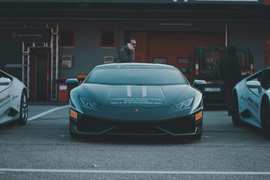
For buyers in New Jersey and New York, this shift is particularly interesting. The increasing popularity of greens, particularly in luxury SUVs, suggests a move away from aggressive black or silver finishes toward more serene and environmentally conscious aesthetics. As new car colors continue to evolve, understanding these trends can help buyers make a decision that balances current aesthetics with long-term appeal.
Cosmic Glamour and Atmospheric Accents
Beyond the earthy tones of green, a different kind of trend is emerging from the automotive color spectrum—one inspired by the heavens rather than the earth. Deep violets and purplish blues are gaining traction, driven by an enduring public fascination with space exploration and otherworldly aesthetics.
“Consumers have continued to be super interested in space and space travel, so we’re seeing a rise in an intergalactic look,” explains Yeomans. This trend is epitomized by purplish-blues that seem to shift to black or feature subtle sparkle effects, harkening back to the 2026 automotive trends in EVs and futuristic design. Automakers like Dodge have capitalized on this by offering shades like “Purple Haze” and “After Dark” on their new Charger models.
Dodge also has an exclusive purple called “After Dark” available on the 2025 Dodge Charger. (Photo by Jamie Lipman, Car and Driver)
Similarly, there is a noticeable trend in “atmospheric” oranges, fueled partly by the pervasiveness of golden hour selfies and our desire to capture those ephemeral moments of natural beauty. As Yeomans points out, oranges also evoke natural elements like sunsets and rock formations, and tap into the adventurous energy of technical outdoor apparel. Gypsy Modina, Principal Designer of Color, Material, and Finish at Honda, notes this influence, which is clearly visible in their rugged new Passport TrailSport SUV.
For buyers considering new SUVs or exploring custom car paint, the rise of these expressive colors suggests that the era of hiding in the crowd is over. While these shades might not be the most common, they are gaining traction, particularly among drivers looking to stand out from the sea of neutral vehicles.
The Electric Influence on Automotive Color
Despite the recent slowdown in electric vehicle (EV) growth, the influence of EVs on automotive aesthetics remains powerful. “Electrified vehicles are now leading a lot of the color trends,” says Modina from Honda.
In the EV segment, the trend towards subtle sophistication is evident. “Smoked neutrals—subtly tinted brownish or greenish grays infused with delicate chromatic undertones—are gaining traction,” according to Pantone’s Jover. These colors are deeply aligned with the concept of “quiet luxury,” reflecting an aesthetic that values subtlety, quality, and restraint.
Jeep’s launch of the upcoming Recon electric off-roader with an olive green color is a perfect example of this trend. Olive green is often associated with eco-friendliness and a rugged, outdoorsy appeal, making it an excellent choice for an electric SUV aiming to project both sustainability and capability.
Matte and Metallic Innovations
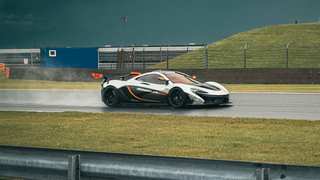
The desire for sophisticated finishes has also led to the resurgence of matte paints, particularly among electric cars. Matte finishes reflect core electrification values such as efficiency, minimalism, and advanced mobility. Dodge’s use of “Triple Nickel” on the Charger EV and Jeep’s “Silver Zynith” on the Wagoneer S EV are prime examples of this trend. These finishes suggest a move away from traditional glossy paints towards more modern, high-tech aesthetics.
There has also been an upsurge in pearl-infused whites, a trend that references EV hallmarks such as luminosity, depth, and innovation. These finishes are particularly striking in person, offering a premium feel that aligns with the advanced technology of electric vehicles. One notable example was Honda’s ambitious 0-Series concept vehicles, which featured stunning pearl whites that exemplified the fusion of futurism and elegance.
The Impact of AI and Technological Advancements on Color Development
One of the most fascinating developments in automotive color innovation is the impact of Artificial Intelligence (AI). Historically, developing new colors was a slow, labor-intensive process, involving extensive research into existing palettes and competitor offerings. However, AI is transforming this landscape.
“With technological advances like AI, we can be more efficient in developing colors, compressing timelines, and moving faster,” says Yeomans. “It’s speeding up the R&D process,” adds Modina, significantly reducing the time it takes to launch a new color.
Democratizing Sophistication
AI is also playing a crucial role in democratizing advanced finishes like matte and pearlescent. In the past, achieving these looks often required expensive specialized processes, making them exclusive to luxury vehicles. Now, AI-powered formulation tools allow manufacturers to create these finishes more affordably.
“We can make a version of luxury styling to fit any price point now,” Yeomans explains. This means that buyers of all budgets can now access finishes that were once exclusive to premium or luxury vehicles. As AI continues to advance, we can expect even more innovative and personalized color options to emerge in the coming years.
Financial Implications: Navigating Color Decisions in 2026
As a financial expert, I often encounter clients agonizing over vehicle color choices. The primary concern, of course, is depreciation and resale value. While it’s tempting to select a unique color that makes a personal statement, the safest bet is always a neutral one. However, in 2026, that equation is starting to shift slightly.
Should You Buy, Wait, or Rent/Invest?

The decision of whether to buy now or wait hinges on a variety of factors, but the color debate is a small part of a larger financial picture. If you’re eyeing a unique shade like electric violet or earthy green, it’s important to understand that it might be harder to sell down the