
The Color Revolution: A Shift Away From Gray in the Automotive World
The automotive landscape is undergoing a dramatic transformation. Look at any modern parking lot, and the dominance of grayscale—white, black, and silver—is evident, currently comprising nearly 80% of new car purchases. Yet, this monochromatic saturation is giving way to a chromatic resurgence. “The data clearly shows a dynamic evolution in our palette, not stagnation,” observes Gloria Jover, automotive color expert for the New Jersey-based Pantone Color Institute. Indeed, the market share of vehicles in vibrant hues has climbed by approximately two percentage points in recent years.
This shift represents a significant divergence from the trajectory of the 21st century, a period where the palette of automotive colors was notably less expressive than it was two decades ago. The shift toward uniformity has largely been attributed to the increased financial commitment consumers make when purchasing a vehicle—an asset that is both costly and prone to depreciation. The average price of a new car now approximates $50,000, prompting buyers to opt for neutral colors to protect resale value, while dealers order these colors because they are assured of demand.
However, the current market behavior aligns more closely with the optimistic exuberance of the 1950s, which fueled a preference for bright, pastel-colored vehicles. Similarly, the polished whites of early 2000s tech devices, such as the iPod and iMac, coincided with white’s rise as a dominant automotive color in the 2010s.
So, what color trends are shaping the automotive sector for the next five years?
Color Comes Back
It appears that traditional automotive staples such as blue and red are decreasing in popularity. This trend has been noted by German chemical giant BASF, which supplies nearly half of all new car paints worldwide. Instead, the market is demonstrating a growing engagement with and connection to the natural world. This is most evident in the rising popularity of green.
BASF’s color of the year, “Secret Safari,” a minty and willowy light green, reflects this trend. Pantone’s Jover notes that this color embodies qualities such as efficiency, minimalism, and advanced mobility, suggesting it will become more prevalent in the coming years.
Deep violets are also emerging as symbols of our fascination with the natural world, or perhaps the otherworldly. “Consumers continue to express significant interest in space and space travel,” notes Misty Yeomans, automotive color and styling manager at PPG. “This is driving the rise of an intergalactic aesthetic,” she explains. The trend includes purplish blues that appear to shift toward black or possess a star-like sparkle, tapping into our techno-fantasy of exploration and escape. Dodge has capitalized on this by introducing colors like Purple Haze and After Dark on its new Charger model.
Atmospheric oranges are also on the rise, influenced in part by the continued appeal of golden-hour selfies, according to Yeomans. Oranges evoke rock formations and are inspired by the bold, energetic feel of technical outdoor apparel, as explained by Gypsy Modina, principal designer of color, material, and finish at Honda. The brand recently launched its rugged new Passport TrailSport SUV in a signature Sunset Orange, visually emphasizing its connection to the outdoors.
EVs and AI Drive Color Innovation
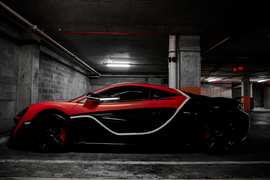
Despite slowing growth, the influence of electric vehicles (EVs) on automotive aesthetics remains potent. “Electrified vehicles are now leading many of the color trends,” states Modina of Honda.
One emerging trend for EVs involves “smoked neutrals”—subtly tinted brownish or greenish grays infused with delicate chromatic undertones. These colors evoke moods typically associated with quiet luxury, as noted by Jover. An example of this trend is the olive color used for the launch of Jeep’s upcoming Recon electric off-roader.
New finishing techniques are also rejuvenating familiar color families. Matte ethereal silvers are gaining traction among electric cars, as they reflect core electrification values like efficiency, minimalism, and advanced mobility. The “Triple Nickel” on Dodge’s Charger EV and “Silver Zynith” on Jeep’s Wagoneer S EV epitomize this trend. Furthermore, an increase in pearl-infused whites references the characteristics of EVs, such as luminosity, depth, and the expression of innovation and precision. These finishes were seen on Honda’s radical (and recently cancelled) 0-Series concept vehicles.
What This Means for You: Understanding Color Value and Resale Potential
As a car buyer in 2026, the choice of color is no longer just a cosmetic preference—it is a strategic financial decision. While manufacturers are pushing adventurous hues, buyers are often caught between the desire for personalization and the need to preserve the asset’s resale value.
The Resale Value Dilemma: Neutral colors—white, black, silver, and gray—remain the safest bet for preserving resale value. These colors appeal to the broadest range of buyers. If you are looking to minimize your depreciation risk, particularly in a market where the average new car cost approaches $50,000, sticking to a neutral is the smart financial move. For example, a 3-year-old gray sedan might hold its value significantly better than a limited-edition orange SUV. When you finance a new car, minimizing depreciation directly impacts your equity and your ability to trade it in for your next vehicle.
The Growth of Personal Expression: However, the rise of greens, violets, and expressive oranges reflects a broader consumer shift toward individuality. If you plan to drive the car for a long time and do not prioritize resale, investing in a color that makes you feel good about your purchase is valid.
Cost Considerations: You may also find that specialized finishes, such as high-end metallic or matte coatings, come with a premium price tag. These costs can add $1,000 to $3,000 to the sticker price of the car. Ensure your loan or lease structure accounts for these added costs. Always compare the total monthly payment when comparing trim levels with different paint options.
Should You Buy, Wait, or Rent/Invest?
The debate between buying, waiting, or renting now depends heavily on your individual circumstances and financial goals.
Buying Now (If You Must): The automotive market is highly competitive in 2026. If you need a new vehicle immediately, focusing on models with strong resale value—typically the most popular models in neutral colors—is the most prudent strategy. While green or blue might be trending, they could also be harder to resell later, potentially leading to a lower trade-in value. This is especially true for niche or limited-run colors.
Waiting for the Shift: If you are not in immediate need, waiting a year or two might be beneficial. Manufacturers are accelerating the pace of R&D thanks to AI advancements. More unique colors are becoming available on more models, and premium finishes are becoming more accessible. By waiting, you might be able to get the color you want on the vehicle you need at a better price as production scales.

Renting vs. Buying: With the cost of new vehicles remaining high, renters may find better value in short-term or long-term rental agreements. Renting allows you to drive current models without the long-term financial commitment of depreciation or the risk of being stuck with an unpopular color. This strategy is particularly appealing if your color preferences are trending toward the expensive side.
Investing in a Future-Proof Color: If you are buying for the long term, consider colors that bridge the gap between trending and enduring. Some manufacturers are introducing unique takes on classic colors that offer personalization without sacrificing resale.
Best Financial Strategies Right Now (2026)
If you are in the market for a new car in 2026, these financial strategies can help you navigate the changing automotive color trends:
Negotiate Special Edition Premiums: Some manufacturers are using special edition colors to launch new models or trims. If you are interested in these colors, ensure you are negotiating the best deal on the special edition itself, not just the paint. These vehicles are often highly sought after, giving dealers less room to negotiate, so you may need to shop around and compare offers from different dealerships.
Research Trade-In Values for Niche Colors: If you own a vehicle with a bold color that is now falling out of favor, you might be surprised at the trade-in depreciation. Check online calculators or get an instant offer from online buyers before visiting a dealership. This will give you leverage when negotiating your new purchase.
Evaluate Your Financing: With higher interest rates still a factor in 2026, comparing loan offers is critical. Consider a larger down payment to reduce your monthly payments, or explore longer loan terms for lower monthly payments (while understanding you will pay more interest overall). For those financing through a dealership, compare the offers against your own bank or credit union to ensure you are getting the best rate.
Consider the Long-Term Cost of Ownership: A unique color or finish might be appealing today, but does it align with your long-term goals? If you plan to sell the car within five years, the depreciation cost on a niche color could exceed the savings on the purchase price. If you plan to keep the car for 10+ years, the color matters less than reliability and maintenance costs.
Cost Breakdown / Pricing Impact (if applicable)
The decision to purchase a specific color or finish can have a direct impact on your monthly payment. Consider the following cost variations in 2026:
Base Color: Many manufacturers offer base colors at no additional charge.

Premium Colors: Colors such as deep purple, expressive orange, or specialized greens often cost $1,000–$3,000 more than base colors. This cost is usually