The Specter of Gray: Will Bold Vehicle Colors Return to American Roads?
For decades, the landscape of the American automotive market has been painted in muted tones. Walk through any parking lot or dealership lot, and the pervasive dominance of white, black, and various shades of gray is undeniable. Yet, the narrative surrounding automobile color trends 2026 is signaling a seismic shift, suggesting that consumers are finally ready to shed the camouflage of conformity in favor of expressive and vibrant hues.
In recent years, this “grayscale” saturation has been nearly absolute. Statistics suggest that close to 80% of new car purchases in the United States opt for these safer, more conventional colors. However, leading automotive analysts and industry insiders are increasingly pointing toward a significant resurgence of color in the automotive palette. This evolving trend has seen the market share of colored car paints increase by nearly two percentage points in the last few years—a notable reversal in an era dominated by neutrality and caution.
This shift represents a fascinating deviation from the automotive trajectory of the last two decades. The 21st century, particularly the 2000s and 2010s, saw a marked decrease in the variety of automotive colors. The average price of a new vehicle has climbed steadily, now hovering around the $50,000 mark. In such a high-stakes financial commitment, consumers often prioritize security, opting for neutral colors to maximize resale value and avoid the perceived risk of a less popular hue. However, automotive paint innovation is now challenging this status quo, as automakers introduce more dynamic finishes and trend-leading colorways to captivate buyers.
From Pastels to Pixels: A Brief History of Automotive Chromatics
To understand where automotive colors are headed, one must first examine where they came from. The history of the American car is inextricably linked to periods of widespread economic confidence and consumer optimism. The exuberant era of the 1950s, for example, was characterized by bright, pastel-colored vehicles that mirrored the carefree and optimistic spirit of the time.
This vibrant aesthetic gave way to a new trend in the early 2000s, largely driven by the rise of early digital consumer technology. The glossy whites of iconic iPods and iMacs helped fuel the ascent of white as the dominant color in the automotive world during the 2010s. White symbolized cleanliness, innovation, and efficiency, aligning perfectly with the tech-driven culture of the new millennium.
However, the landscape began to shift again as the mid-2010s gave way to the 2020s. As vehicle technology advanced and the cost of ownership increased, consumers grew more cautious. The desire for safety, reliability, and long-term value pushed neutrals to the forefront of the market. Yet, the undercurrent of consumer psychology has always favored variety, and the latest auto color trends indicate a shift away from pure practicality towards self-expression.
The Reemergence of Color: A Global Shift
Across the globe, a distinct trend is emerging: consumers are moving away from the safety of blues and reds—traditional favorites that have shown significant declines in recent years. This slowdown in popularity is evidenced by data from German chemical giant BASF, a company that supplies nearly half of the new car paint used globally.
Instead of traditional choices, the current driver of vehicular color trends appears to be a growing connection to the natural world. This is most clearly reflected in the rise of green. According to automotive experts, green has become the most dynamic color trend worldwide, showing a clear trajectory of growth.
Nature and Exploration Fuel Green’s Ascent
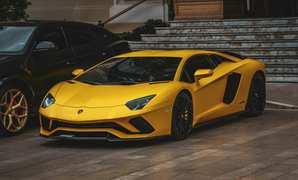
The resurgence of green in automotive design is intricately linked to the sustained popularity of SUVs and crossovers. Marketing imagery for these vehicles often emphasizes the outdoors, nature, and ecological symbolism, creating a strong association between the color green and a rugged, sustainable lifestyle. For consumers, choosing green signifies individuality and a connection to the natural environment.
Misty Yeomans, automotive color and styling manager for paint giant PPG, highlights a particular fascination with soft, nature-inspired greens. Minty and willowy shades, such as PPG’s color of the year, “Secret Safari,” are gaining traction. Described as “organic” and “mineral,” these delicate hues convey efficiency, minimalism, and advanced mobility, and are expected to become more prevalent in the coming years.
The Allure of Deep Violets and Otherworldly Hues
Another emerging color that signals a growing fascination with the natural world—or perhaps the otherworldly—is deep violet. Consumers remain captivated by space exploration and technology, which has fueled the rise of an intergalactic automotive look. This trend includes purplish-blues that appear to shift to black or feature a subtle, star-like sparkle, tapping into our fascination with exploration and escape.
Automakers have already capitalized on this trend. Dodge, for example, has released colors like “Purple Haze” and “After Dark” on its new Charger models. These colors evoke a sense of mystery, luxury, and futuristic design, appealing to consumers who want their vehicles to stand out from the crowd.
Sunset Orange and Technical Apparel Inspiration
Beyond the cool tones of purple and green, “atmospheric” oranges are also gaining popularity. This trend is partly influenced by the enduring appeal of golden hour aesthetics and the rise of social media filters that favor warm, golden hues.
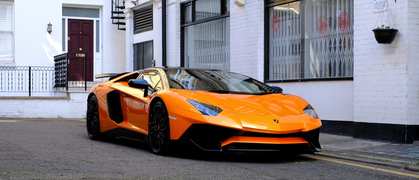
Oranges also evoke natural formations like sunsets and rugged landscapes, and are inspired by the courage and energy of technical outdoor apparel. According to Gypsy Modina, principal designer of color, material, and finish at Honda, this trend is becoming increasingly popular. Honda has already capitalized on this by launching its rugged new Passport TrailSport SUV in an exclusive Sunset Orange, further solidifying orange as a key player in the automotive color trends 2026.
EVs and the Spark of AI-Driven Innovation
Despite the slowing growth of the electric vehicle (EV) market, its influence on automotive aesthetics remains profound. “Electrified vehicles are now leading a lot of the color trends,” says Modina. As consumers increasingly turn to electric and hybrid options, automotive design is evolving to reflect the values of sustainability, efficiency, and technological advancement.
“Smoked neutrals—subtly tinted brownish or greenish greys infused with delicate chromatic undertones—are gaining traction,” notes Pantone’s Gloria Jover. These muted, sophisticated colors allude to moods associated with quiet luxury and understated elegance. The olive used to launch Jeep’s upcoming Recon electric off-roader is a prime example of this trend.
Reinventing Familiar Colors: New Finishes and AI Assistance
Automakers are also rejuvenating familiar color families by introducing new finishes that breathe fresh life into traditional choices. Matte ethereal silvers are on the rise among electric cars, as they align perfectly with the core values of electrification: efficiency, minimalism, and advanced mobility.
“Triple Nickel” on Dodge’s Charger EV and “Silver Zynith” on Jeep’s Wagoneer S EV epitomize this trend. These finishes provide a modern, premium look that appeals to tech-savvy consumers seeking high-tech car designs. Additionally, an upsurge in pearl-infused whites references EV hallmarks such as “luminosity, depth, and expressing innovation and precision.” These finishes have been seen on Honda’s radical (and recently cancelled) 0-Series concept vehicles, signaling a continued focus on futuristic aesthetics.
This creative acceleration is also being driven by artificial intelligence. “With technological advances like AI, we can be more efficient in developing colors, compressing timelines, moving faster,” says Yeomans. “It’s speeding up the R in our R&D,” adds Modina, streamlining the previously tedious efforts of surveying existing colors and competitor offerings.
AI assistance in paint formulations is also democratizing finishes, particularly those that were once exclusive, such as matte or pearlescent. “We can make a version of luxury styling to fit any price point now,” Yeomans adds. This suggests that cutting-edge aesthetics will no longer be confined to high-end luxury vehicles; they will become accessible to a wider range of consumers across the automotive color trends 2026 spectrum.
What This Means for You: Your Financial Opportunity
The shift in automobile color trends 2026 isn’t just about aesthetics; it’s about financial opportunity. As the market diversifies its color palette, buyers now have more options than ever to align their vehicle’s appearance with their personality and values. However, with increased variety comes the need for careful consideration, especially when navigating the cost of new cars and the long-term financial implications of a purchase.
Should You Buy, Wait, or Rent/Invest?
Option 1: Buy a Colorful Car NOW (For Emotional Impact and Personalization)
If you value self-expression and want a car that turns heads, now is an excellent time to consider a colored vehicle. The market is currently welcoming these new hues, so you might be one of the first to sport a stunning green, violet, or sunset orange on your local roads.
Pros: You satisfy your desire for a unique vehicle that reflects your personality. By getting in on the ground floor of a new trend, your car will feel modern, fresh, and distinctive.
Cons: The long-term depreciation of non-neutral colors can be a concern for some buyers. While automotive innovation is reducing this gap, traditional colors still generally hold their value better.
Option 2: Wait for Market Saturation (For Financial Safety)
If you prioritize the absolute maximum resale value, you might consider waiting for these trending colors to become more mainstream. As more consumers adopt these hues, they will become more familiar and desirable to the average buyer, potentially reducing the