Reawakening the Rainbow: Why Car Colors Are Poised for a Vibrant Comeback in 2026
By John Harrington | Automotive Color Strategist
Step into any modern parking lot across the United States and the scene is undeniably monochromatic. By most current analyses, approximately three-quarters of consumers opt for neutral shades—white, black, or silver/gray—when purchasing a new vehicle. This pervasive “grayscale” phenomenon is often attributed to a confluence of factors: the desire for safety in a purchase decision that is financially significant, the need to maximize potential resale value in an environment of rising vehicle prices (often approaching the $50,000 mark), and the habitual inertia that breeds predictable consumer behavior. However, the landscape of automotive aesthetics appears poised for a significant transformation. A thorough examination of current color trends and industry data suggests that a chromatic shift is not merely approaching, but is already underway, promising to inject a fresh vitality into the automotive palette.
This shift represents a distinct divergence from the trends that have dominated the first quarter of the 21st century. Over the past two decades, the variety of colors offered in new cars has actually decreased by approximately half compared to the early 2000s. This historical observation suggests that color preferences are not static but are driven by societal moods and economic cycles. The exuberant optimism of the post-World War II era, for instance, correlated with the prevalence of bright pastel colors in cars, while the rise of white as a dominant automotive hue was strongly influenced by the tech boom of the early 2000s, characterized by sleek, white products like the iPod and iMac. Analyzing these historical patterns can help us predict what the next five years might hold for automotive color trends.
In this detailed analysis, we will explore the underlying drivers of this shift, including the increasing consumer demand for more expressive and personalized vehicles, the influence of electric vehicles (EVs) and advanced technologies, and the emerging color palettes that are likely to dominate the market in the coming years. By understanding these trends, consumers can make more informed decisions about the color of their next car and even explore options that can enhance the overall ownership experience.
The Color Evolution: From Safety to Self-Expression
While the grayscale dominance is well-documented, the evidence for an impending shift is becoming increasingly apparent. Reports from major automotive paint suppliers, such as German chemical giant BASF (which supplies nearly half of the world’s new car paint) and American manufacturer PPG, indicate a growing consumer engagement with more vibrant and expressive colors. This resurgence is not a simple return to traditional choices like red and blue; rather, it is driven by deeper societal and emotional drivers that reflect a growing desire for personalization and connection with the world around us.
The Influence of Nature and the Outdoors
A significant catalyst for this chromatic evolution is the increased consumer interest in the natural world. This trend is most evident in the rising popularity of the color green, which has emerged as one of the most dynamic and influential colors in the automotive market worldwide. This ascendancy is closely linked to the enduring popularity of SUVs and crossover vehicles, which are frequently associated with outdoor activities, adventure, and environmental consciousness.
“Green has become the most dynamic chromatic mover worldwide,” says Gloria Jover, automotive expert at the Pantone Color Institute. “It signals individuality and a nature-linked aesthetic.” This connection to nature is often embodied in the marketing imagery used for these vehicles, and increasingly, in the self-image that consumers associate with them. The trend is not limited to traditional earth tones; instead, there is a growing appreciation for soft, light greens that convey a sense of calm, sustainability, and modern efficiency.
Misty Yeomans, automotive color and styling manager at PPG, highlights the appeal of “minty and willowy” light greens. She points to PPG’s color of the year, “Secret Safari,” which is described as “organic” and “mineral.” These soft green shades are seen as visual representations of efficiency, minimalism, and advanced mobility, and are expected to become more prevalent in the coming years.
Beyond Green: Exploring Other Natural Hues
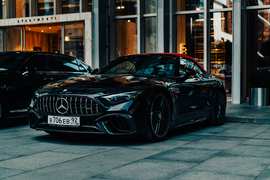
While green is leading the charge, other colors inspired by the natural world and even outer space are also gaining traction. Deep violets, for instance, are emerging as signifiers of our fascination with the natural world and our aspirations for exploration and discovery.
Yeomans notes that consumers continue to be deeply interested in space and space travel, which has fueled a rise in what she describes as an “intergalactic” aesthetic. This manifests in purplish-blue colors that can shift to black or feature a subtle sparkle reminiscent of stars, tapping into our technological fascination with space exploration and escape. Dodge has already capitalized on this trend with colors like Purple Haze and After Dark on its new Charger models.
The Sunset Effect: Orange and Earth Tones
Another color gaining momentum is a type of “atmospheric” orange, influenced partly by the continued popularity of golden hour selfies and the vibrant colors of sunsets. Orange also evokes feelings of warmth, energy, and courage, drawing inspiration from technical outdoor apparel and rugged lifestyles.
Gypsy Modina, principal designer of color, material, and finish at Honda, confirms this trend. “Oranges also conjure rock formations and are inspired by the courageous, energetic feel of technical outdoor apparel,” she explains. Honda recently launched its rugged new Passport TrailSport SUV in an exclusive Sunset Orange, demonstrating their commitment to this emerging color trend.
Electric Vehicles and AI Drive Color Innovation
The automotive industry’s evolution is also profoundly influenced by electric vehicles (EVs) and artificial intelligence (AI). Despite some slowing in the growth rate, the aesthetic impact of EVs continues to be strong. “Electrified vehicles are now leading a lot of the color trends,” says Modina.
Smoked Neutrals and Luxury Minimalism
In the realm of EVs, “smoked neutrals” are gaining traction. These are subtly tinted grays infused with delicate chromatic undertones, ranging from brownish to greenish hues. Pantone’s Jover notes that these colors evoke a sense of quiet luxury and sophistication often associated with high-end electric vehicles. One notable example is the olive color used to launch Jeep’s upcoming Recon electric off-roader, which perfectly encapsulates this trend.
New Finishes and Textures
New finishes are also rejuvenating familiar color families. Matte ethereal silvers are emerging among electric cars, as they align with core electrification values such as “efficiency, minimalism, and advanced mobility.” Jover highlights Dodge’s “Triple Nickel” on the Charger EV and Jeep’s “Silver Zynith” on the Wagoneer S EV as prime examples of this trend. Furthermore, an increase in pearl-infused whites references EV hallmarks such as “luminosity, depth, and expressing innovation and precision.” These were recently showcased on Honda’s radical (and recently cancelled) 0-Series concept vehicles, demonstrating the creative possibilities of advanced finishes.
The Role of AI in Color Development
Beyond the aesthetic shifts, technological advancements are fundamentally changing how automotive colors are developed. “With technological advances like AI, we can be more efficient in developing colors, compressing timelines, moving faster,” says Yeomans. “It’s speeding up the R in our R&D,” adds Modina, condensing the previously tedious efforts of surveying existing colors and/or those used by competitors.
AI assistance in paint formulations is also democratizing finishes, making styles like matte or pearlescent more accessible. “We can make a version of luxury styling to fit any price point now,” Yeomans adds, indicating a future where high-end aesthetics are no longer exclusive to luxury vehicles.
What This Means for You: Navigating the Color Trends
As the automotive landscape evolves, consumers face new opportunities to express their personality through their choice of vehicle color. Understanding these emerging trends can help you make a decision that not only reflects your personal style but also aligns with market preferences.
Should You Buy, Wait, or Rent/Invest?
With the cost of new cars averaging around $50,000, the decision of when to buy and what to buy is more critical than ever. If you are considering purchasing a new car in the next year or two, now may be a favorable time to buy if you are drawn to the emerging color trends. As the market shifts toward more expressive colors, those who embrace these trends first may find themselves with a wider selection and a more unique vehicle.
Alternatively, if you are looking to invest in a depreciating asset, choosing a color that aligns with future trends can help preserve resale value. While neutrals are currently safe bets, we are seeing that vibrant colors with strong emotional connections (like green or orange) are becoming more desirable. If you plan to resell your car in 3-5 years, consider colors that resonate with the growing interest in nature, sustainability, and individualism.
For those who prefer not to commit to a long-term purchase, renting may be a good option to experience these new color trends firsthand without long-term financial responsibility. Rental companies are increasingly offering a wider range of colors, allowing you to experiment before making a final decision.
Best Financial Strategies Right Now (2026)
Strategy 1: Capitalize on EVs and Sustainability
Electric vehicles continue to be a major focus for many consumers, and this is reflected in the emergence of “smoked neutrals” and pearlescent finishes. These colors align with the efficiency, sustainability, and advanced technology associated with EVs.
Action: If you are considering an EV, look for models with unique color options like olive, smoked grays, or pearlescent whites. These colors not only look good but also fit the narrative of an eco-conscious consumer.
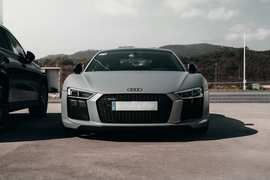
Cost Implication: While these colors may come at a slight premium over basic neutrals, they can help maintain the car’s value in a market increasingly saturated with generic colors.