
Automotive Color Trends 2026: Why Drivers Are Ditching Grayscale for Grounded Hues
The automotive world is experiencing a subtle yet profound shift in color preferences, a departure from the reign of neutral grays and blacks that have dominated American roads. As we navigate the complexities of 2026, a new chromatic landscape is emerging, driven by a deeper connection to the natural world and a desire for authentic self-expression.
The Reign of Gray and the Dawn of Departure
For years, the average car buyer has played it safe. Nearly 80% of new vehicles purchased in the United States adhere to a grayscale palette—white, black, or silver. This dominance is rooted in a practical consideration: the desire to maximize resale value. As the average price of a new car hovers around $50,000, consumers are understandably cautious about investing in an asset that depreciates over time. Choosing a neutral color ensures a wider pool of potential buyers, minimizing the risk of being stuck with an unpopular hue.
However, this trend is not static. It’s cyclical, and the current phase is shifting. Recent data from industry giants like Pantone and BASF reveals a steady uptick in colored car paint market share, suggesting a reversal of the flattening color palette seen over the past two decades.
This shift signals a departure from the era of pure function and into a period where aesthetics and emotional connection play a more prominent role. The buyers of today are not just purchasing a mode of transportation; they are making a statement. They want their vehicle to reflect their personality, their values, and their aspirations.
What This Means for You
If you’re in the market for a new car or considering a refresh, this evolution in color trends is something to take note of. The market is shifting to offer more variety, and choosing the right color can have a tangible impact on your experience and your car’s value.
Should You Buy, Wait, or Rent/Invest?
If you’re debating whether to purchase a car now, the changing color palette might influence your decision:
Consider the Used Market: While manufacturers are introducing new colors, the secondary market is still heavily dominated by neutrals. If you buy a trendy color now, you might find a smaller pool of buyers when you go to sell. However, the growing demand for colored vehicles suggests this will become less of an issue in the future.
Rent to Test the Waters: If you want to try out the latest trends before committing to a purchase, renting a vehicle is an excellent option. You can explore colors you might not typically consider and see how they fit your lifestyle. (You can check rental options at Hertz, Enterprise, or Turo).
Investment in Rarity: Unique colorways, especially those tied to specific trim levels, can sometimes command a premium on the resale market due to their rarity. However, this isn’t a guaranteed strategy, and it’s best to focus on colors that genuinely appeal to you.
Best Financial Strategies Right Now (2026)
Choosing the right color is just one aspect of making a smart financial decision. Here are strategies to navigate the current market:
Strategic Trade-Ins: If you own a less popular color, consider trading it in while the demand for neutrals is still high. The longer you wait, the more the market might shift, potentially decreasing the value of unique or less common colors.
Compare Dealer Inventory: Don’t just walk into the first dealership. Use online tools to compare inventory at multiple locations. You might find a dealership with a unique color that meets your needs, or one that is offering special deals on models that are harder to move.
Focus on Function: While color is important for aesthetics, it shouldn’t be the primary driver of your decision. Focus on the car’s features, reliability, and fuel efficiency. A color can be changed, but performance cannot.

Cost Breakdown / Pricing Impact
The cost of paint isn’t what it used to be. While matte and specialized finishes can add to the price of a new vehicle, the overall impact is often minimal compared to the total cost of ownership.
Premium Paints: Some premium colors, especially those involving multiple layers or special effects like pearlescence or metallic flake, can add a few hundred dollars to the sticker price.
Aftermarket Solutions: If you fall in love with a color that isn’t offered on the model you want, consider vinyl wraps. These can completely change the appearance of your car for a few thousand dollars, and they protect the original paint underneath.
Mistakes to Avoid That Could Cost You Money
Ignoring Depreciation: Buying a color solely because it’s the latest trend can cost you money when it’s time to sell. Always consider how the color might affect resale value.
Overpaying for Trendy Colors: Some automakers charge a premium for unique colors. Always compare pricing across different dealerships and trim levels.
Forgetting Your Own Preference: Choosing a neutral color because it’s popular can leave you feeling uninspired. If a color makes you happy, it’s worth the investment, even if it’s not the most common choice.
Color Comes Back: The Rise of Earth Tones
The emerging color trends for the next five years are anything but neutral. They are rooted in our connection to the natural world and a growing desire for authenticity and individuality.
Green: The New Color of Choice
It’s no surprise that green is leading the charge. As SUVs and crossovers continue to dominate the market, consumers are drawn to colors that evoke a sense of nature and sustainability. The outdoorsy, ecological symbolism of these vehicles is perfectly complemented by shades of green.
“Green signals individuality and a nature-linked aesthetic,” says Gloria Jover, automotive expert for the Pantone Color Institute. This is not the bright green of a neon sign; it’s the subtle, earthy green of a forest floor or a mineral deposit. These shades signal a connection to the environment and a commitment to living a more sustainable lifestyle.
Misty Yeomans, automotive color and styling manager for paint giant PPG, notes the appeal of minty and willowy light greens. These colors are described as “organic” and “mineral,” reflecting values such as efficiency, minimalism, and advanced mobility. Think of colors like PPG’s “Secret Safari,” a soft, earthy green that feels both natural and futuristic.
Why This Matters for You
Choosing a green vehicle is more than just a fashion statement. It’s a reflection of your values and your lifestyle. If you spend your weekends hiking, camping, or simply enjoying the outdoors, a green car connects you to the natural world even when you’re navigating the urban landscape.
Should You Buy, Wait, or Rent/Invest?

Buying Now: If you love green cars and they fit your lifestyle, now is a great time to buy. Green SUVs and crossovers are incredibly popular, and many automakers are offering special incentives on these models.
Renting: Want to try green before you commit? Rental agencies like Enterprise and Sixt are increasingly adding green vehicles to their fleets. (Check out rental options here).
Investment: Green cars tend to hold their value well due to high demand. If you’re considering an investment, a green vehicle is a strong choice, as it appeals to a broad range of buyers.
Cost Breakdown / Pricing Impact
Green isn’t always the cheapest option. Some of the more premium green shades can add to the price of a car.
Premium Finishes: Colors with a metallic or pearlescent finish often come with a higher price tag.
Aftermarket Wraps: If you can’t find the perfect shade of green, you can always use a vinyl wrap. These typically cost between $2,500 and $5,000 and come in a wide range of colors.
Mistakes to Avoid That Could Cost You Money
Ignoring Resale Value: If green isn’t your color, don’t buy it just because it’s trendy. It might be harder to sell later.
Overpaying: Always compare pricing. Some dealerships mark up premium colors, while others don’t.
Forgetting About Maintenance: Darker greens can show dirt more easily. If you live in a dusty environment, consider a lighter shade or be prepared for more frequent washing.
Evoking the Natural World
Beyond green, drivers are increasingly drawn to colors that evoke the natural world or otherworldly escapes. These colors are not just trendy; they are expressions of our deeper aspirations and desires.
Deep Violets and Space-Inspired Hues
The interest in space travel and exploration has led to a rise in deep violet colors, often with subtle shifts to black or a hint of starlight sparkle. These colors tap into our fascination with the unknown and our desire to escape the ordinary. Brands like Dodge have embraced this trend with colors like Purple Haze and After Dark on their new Charger models.
These colors reflect a growing fascination with technology, space, and the exploration of new frontiers. As we move further into the 21st century, we look to the stars for inspiration and a sense of wonder.
Atmospheric Oranges
Oranges are also making a comeback, influenced by the aesthetic of golden hour selfies and the rugged appeal of technical outdoor apparel. These colors conjure up images of rock formations, sunsets, and adventurous spirits. The Honda Passport TrailSport SUV is a prime example, featuring an exclusive Sunset Orange that perfectly captures this trend.
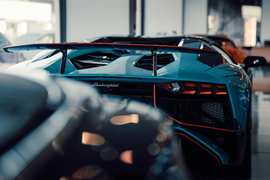
The connection between orange and nature is strong. The warm, vibrant color of a sunset or a rock formation evokes feelings of energy